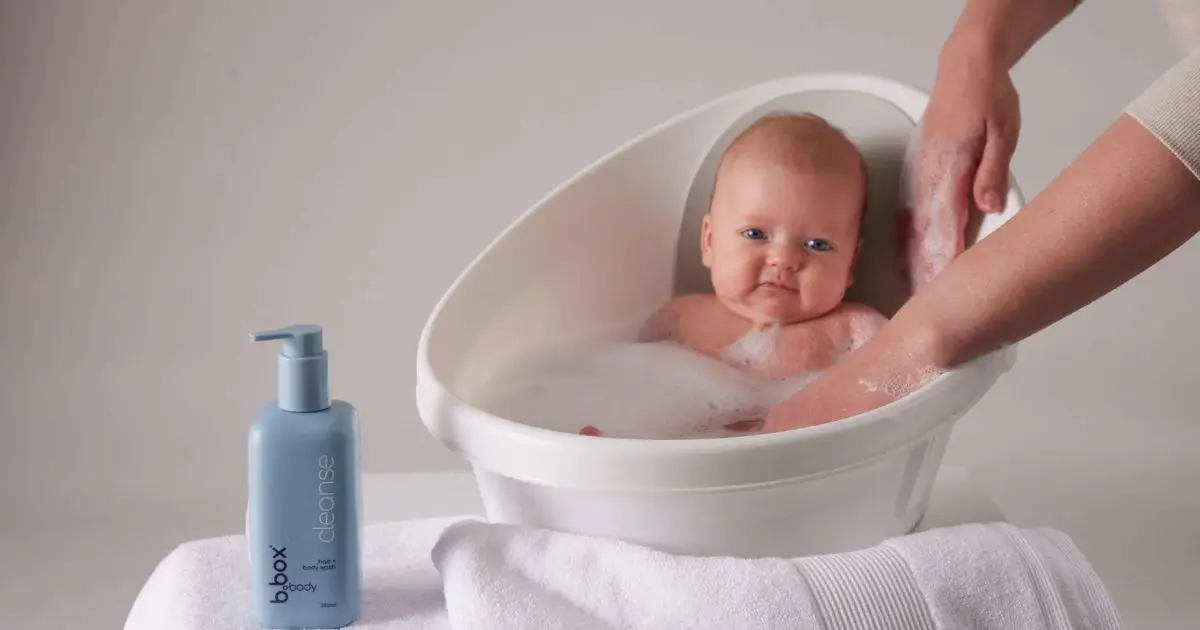
Bathing your newborn for the first time can be a heartwarming yet challenging experience, especially for first-time parents. You may feel a bit anxious about handling your tiny baby in a slippery tub, or concerned about getting everything just right, from ensuring the water temperature is safe to providing proper support for your baby’s head and neck. Many parents wonder, “How do I bathe my newborn safely?” It’s natural to worry about your newborn’s delicate skin, but with the right preparation and understanding, bath time can be a calming and rewarding experience.
In this comprehensive guide, we’ll walk you through step-by-step instructions, expert tips, and practical advice on how to bathe your newborn safely at home, giving you the confidence to enjoy this bonding moment with your little one. Whether it’s your first bath or your first baby, this guide is designed to make the process simple and stress-free.
Fear of Bathing Your Fragile Newborn Safely
Bathing a newborn is often associated with worries about their fragile skin and the risk of causing harm. First-time parents are especially prone to feeling nervous about how to handle their newborn, fearing that they might accidentally hurt them by making mistakes. The core concern usually revolves around water temperature, supporting the baby’s head and neck, and ensuring a safe environment during the bath.
The solution lies in preparing properly, staying calm, and following a clear step-by-step process to keep both you and your baby safe and relaxed during bath time.
The Basics of a Safe Newborn Bath
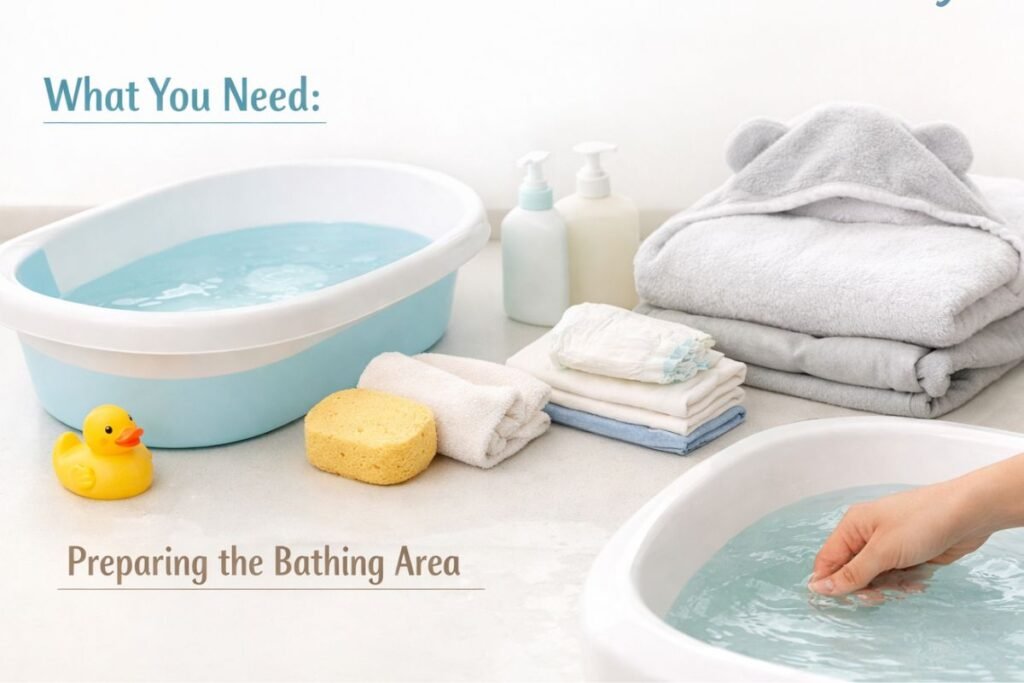
What You Need:
Before you begin bathing your baby, make sure all the necessary items are within arm’s reach. This will help you avoid leaving your baby unattended, which could be dangerous.
- A small baby bathtub or a clean, stable sink
- Soft washcloth or sponge (gentle and non-irritating)
- Mild, hypoallergenic baby soap (tear-free and fragrance-free)
- Soft towel (preferably a hooded towel to keep the baby warm)
- Clean diaper and clothes for after the bath
- Warm water (ensure the temperature is safe, test it with your wrist or elbow)
Preparing the Bathing Area
Make sure the area is safe and free from distractions. If you are using a baby tub, place it on a non-slippery, stable surface. If you’re using a regular bathtub or sink, ensure that it’s clean and free from sharp objects. Never leave your baby unattended during bath time, even for a second, as they can slip or become distressed quickly.
How to Bathe Your Newborn Safely

Make Sure Your Baby Is Calm
Bathing a newborn is easiest when they are calm and comfortable. Ideally, give your baby a bath after feeding or a diaper change, when they are more relaxed. If your baby is fussy, try calming them with soft sounds or a soothing lullaby before starting the bath.
Fill the Tub with Warm Water
The water temperature is critical for your baby’s comfort and safety. Fill the tub with enough water to cover your baby’s body, but avoid submerging their head. The water temperature should be between 98.6°F and 100°F (37-38°C). Always test the water with your wrist or elbow, as these areas are more sensitive to temperature than your hands. The water should feel warm, but not hot, to the touch.
Support Your Baby’s Head and Neck
Newborns have weak neck muscles and cannot support their heads. Always use one hand to support your baby’s head and neck while the other hand gently lowers them into the water. Hold the baby securely, ensuring their head stays above the water at all times. Their body should be submerged, but their face and head should be kept clear.
Gently Wash with a Soft Cloth
Start with the baby’s face, using only plain water (no soap needed) for the first few baths. Wipe the face carefully, avoiding the eyes, nose, and mouth. Use a soft, damp washcloth or sponge to clean their body. For their body, use a small amount of mild baby soap that’s gentle on their skin. Focus on the skin folds, such as under the arms, behind the ears, and around the diaper area. These areas can accumulate dirt and sweat and need special attention.
Pro Tip: You can also wash your baby’s hair by gently wetting their scalp with the washcloth, but avoid getting soap or shampoo in their eyes.
Rinse and Dry
Once your baby is clean, it’s time to rinse off any soap. You can either use a clean washcloth or a small cup to gently pour water over your baby’s body. Avoid splashing or pouring water directly on their face. After rinsing, gently lift your baby out of the tub, being sure to support their head and neck, and wrap them immediately in a soft, warm towel.
Pro Tip: Babies are prone to getting cold quickly, so wrap them up in the towel as soon as you take them out of the water. A hooded towel can help keep them warm and cozy.
Moisturize and Dress
After the bath, gently pat your baby dry with the towel, especially in areas where moisture might get trapped, like the folds of the skin. Once dry, you can apply a mild, fragrance-free baby lotion to keep their skin hydrated. Dress your baby in a fresh diaper and comfortable clothes.
Common Mistakes
Incorrect Water Temperature
Solution: Always test the water temperature before bathing your baby. It should feel warm, not hot. Test with your wrist or elbow for safety, and aim for 98.6°F to 100°F.
Lack of Support for the Baby’s Neck and Head
Solution: Always support your baby’s head and neck with one hand while bathing them. This is crucial for their comfort and safety. Without this support, your baby could become distressed or uncomfortable.
Leaving Baby Unattended
Solution: Never leave your baby alone in the bath, even for a second. Babies can slip or become distressed quickly, so always keep one hand on them. If you need to grab something, take your baby with you.
Using Harsh Products
Solution: Stick to mild, hypoallergenic baby soaps and shampoos that are tear-free. Babies have sensitive skin, and adult soaps can cause irritation or dryness. Avoid using adult products, as they may not be suitable for a newborn’s delicate skin.
Expert Tips
Create a Relaxing Environment:
Play soft music or talk gently to your baby during bath time. Calm, soothing sounds can help your baby relax, making the experience more enjoyable for both of you.
Keep Bath Time Short:
Newborns don’t need long baths. A bath should last around 5-10 minutes. This prevents your baby from getting too cold and helps you keep the process stress-free.
Use Bath Time as a Bedtime Routine:
Bath time can be a great way to signal to your baby that it’s time to sleep. The warm water soothes them, and the calm routine helps your baby transition into sleep more easily. Bath time at the same time each evening can help establish a bedtime routine.
Moisturize After Bathing:
Babies have sensitive skin, and frequent bathing can lead to dryness. After the bath, apply a gentle, fragrance-free baby lotion to keep your baby’s skin soft and hydrated.