
Diapering is one of the most important aspects of caring for your newborn, and getting it right can have lasting effects on both your baby’s comfort and your budget. Newborn diapering is not just about making sure your baby stays clean; it also involves preventing diaper rashes and finding ways to save money on diapers without sacrificing quality. As a new parent, you may be overwhelmed by the options available, but understanding the basics can help you make better decisions.
In this guide, we’ll walk you through everything you need to know about diapering your newborn, from selecting the right diapers to preventing rashes and offering money-saving tips to keep diapering costs manageable. Let’s dive in and make diapering easier, more cost-effective, and better for your baby’s sensitive skin
Understanding The Basics
What You Need to Know About Diapers for Newborns

When it comes to choosing the right diaper for your newborn, there are key factors to consider:
- Diaper Sizes: Newborn diapers are specifically designed for babies who weigh under 10 pounds. They are smaller and more snug to prevent leaks. Once your baby surpasses this weight range, you can switch to size 1 diapers, which fit babies who weigh between 8-14 pounds.
- Diaper Material: Most diapers are made of absorbent materials like cotton and synthetic fibers. Newborns have sensitive skin, so look for hypoallergenic diapers that are free from harsh chemicals like chlorine, fragrances, and dyes.
- Leak-Proof Design: Look for diapers with secure elastic bands around the legs and waist. This helps prevent leaks, especially during those early, messy days.
How Often Should You Change Your Newborn’s Diaper?
Newborns tend to go through 10-12 diapers a day. Frequent changes are crucial for avoiding diaper rashes and keeping your baby’s skin dry. Here’s when you should change the diaper:
- After Every Feed: Babies often go to the bathroom shortly after feeding.
- Before or After Naps: It’s a good idea to check their diaper before a nap and after they wake up.
- When Wet or Soiled: Always change diapers right away if they’re wet or dirty, as prolonged contact with moisture can cause rashes.
Preventing Diaper Rash
What Causes Diaper Rash in Newborns?
Diaper rash is a common problem, but understanding the causes can help you prevent it:
- Moisture: Prolonged exposure to wetness from urine or stool can irritate your baby’s skin.
- Friction: The constant rubbing of the diaper against your baby’s skin may cause skin irritation.
- Irritants: Some chemicals in diapers, wipes, or even diaper creams can cause sensitivity in newborns.
How to Prevent Diaper Rash: Essential Tips
Here’s how to prevent diaper rash and keep your baby comfortable:
- Change Diapers Regularly: Ensure that your baby’s diaper is changed every 2-3 hours or when they soil it.
- Use a Barrier Cream: Apply a zinc oxide-based cream to protect the skin. This forms a waterproof layer that prevents moisture from reaching the skin.
- Let Your Baby’s Skin Breathe: Whenever possible, let your baby go without a diaper for a few minutes. This allows their skin to air out and prevents moisture buildup.
- Choose the Right Diapers: Diapers designed for sensitive skin are often free of harsh chemicals, which can reduce the risk of rashes.
Save Money on Diapers Without Sacrificing Quality
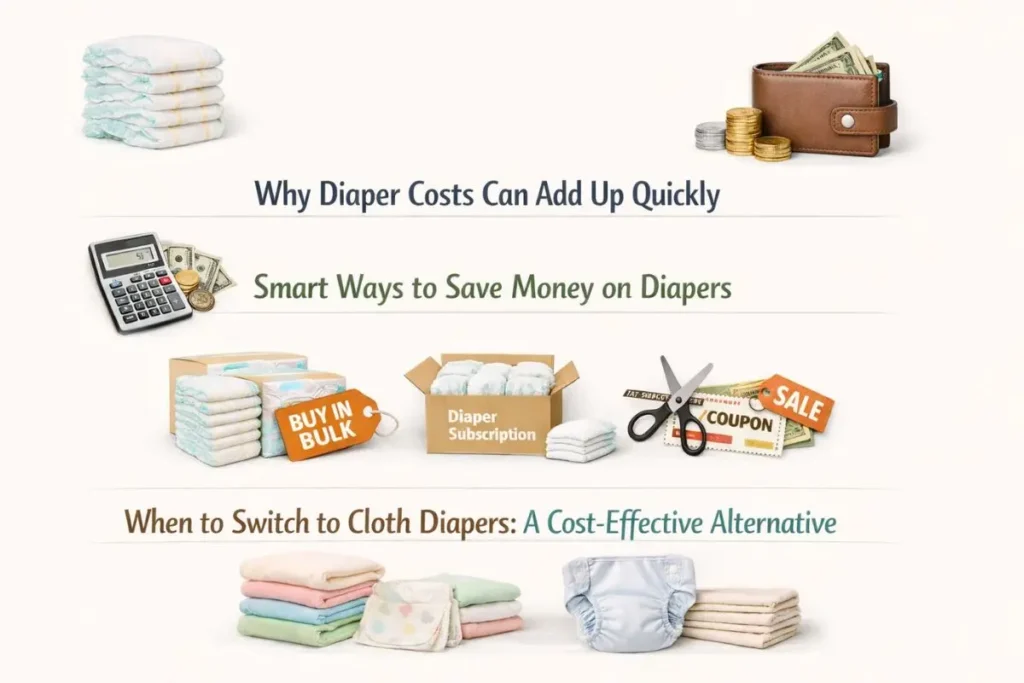
Why Diaper Costs Can Add Up Quickly
Diapers are an essential but costly part of raising a newborn. On average, parents spend around $70 to $100 a month on diapers. Over the course of your baby’s first year, that can add up quickly to over $1,000.
However, there are several ways to save money without compromising on diaper quality.
Smart Ways to Save Money on Diapers
Here are some tips to help you save:
- Buy in Bulk: Diapers are cheaper when bought in bulk. Stores like Costco or Amazon often offer discounts for bulk purchases.
- Sign Up for Diaper Subscriptions: Many brands offer auto-delivery services at a discount. You’ll get your diapers delivered right to your door without the hassle of going to the store.
- Use Coupons and Look for Sales: Always check for coupons or sales on your favorite diaper brands. Many online retailers offer discounts for first-time buyers or subscription services.
- Consider Store Brands: Some store brands, like Target’s Up & Up or Walmart’s Parent’s Choice, offer similar quality to name brands at a fraction of the cost.
When to Switch to Cloth Diapers: A Cost-Effective Alternative
If you want to make a long-term investment, cloth diapers might be the right option. While the upfront cost is higher, cloth diapers can save you money in the long run, especially if you plan on having more children.
- Pros: Cloth diapers can be used multiple times, making them cost-effective over time. Plus, they’re better for the environment since they don’t create waste like disposable diapers.
- Cons: Cloth diapers require regular washing and maintenance, which can be time-consuming.
Additional Tips
How to Handle Diaper Blowouts
A diaper blowout happens when poop escapes from the diaper, often making a huge mess. Here’s how to handle it:
- Act Fast: Keep baby wipes close and clean your baby immediately to prevent irritation.
- Change Clothes: If the blowout reaches your baby’s clothes, change them right away.
- Choose the Right Diapers: Some diapers are designed to be more leak-proof, especially for newborns. Look for diapers with a snug fit around the legs.
Nighttime Diapering: Keeping Your Baby Dry Through the Night
Nighttime diapering requires a bit more planning. Babies can sleep for long stretches, but you want them to stay dry through the night:
- Use Overnight Diapers: These diapers are specifically designed to hold more liquid for extended periods, so your baby won’t wake up wet.
- Consider Diaper Inserts: If you don’t want to buy special overnight diapers, diaper inserts are a great alternative. They provide extra absorbency without needing to change the diaper itself.
Common Mistakes
Many new parents make simple mistakes that can cause diapering issues. Here are some common errors to avoid:
- Not Changing Diapers Frequently Enough: Waiting too long to change your baby’s diaper can lead to rashes. Always change diapers regularly.
- Overusing Powder or Cream: Excess powder or cream can build up and cause more irritation. Use it sparingly and as needed.
- Incorrect Diapering Technique: Putting diapers on too tightly or not fastening them securely can lead to leaks or rashes. Ensure a snug but comfortable fit.
The Pros and Cons of Disposable vs. Cloth Diapers
When choosing between disposable and cloth diapers, there are several factors to consider:
- Disposable Diapers:
- Pros: Convenient, easy to use, better for travel.
- Cons: More expensive, less eco-friendly.
- Cloth Diapers:
- Pros: More affordable in the long run, eco-friendly.
- Cons: Requires more work and regular washing.