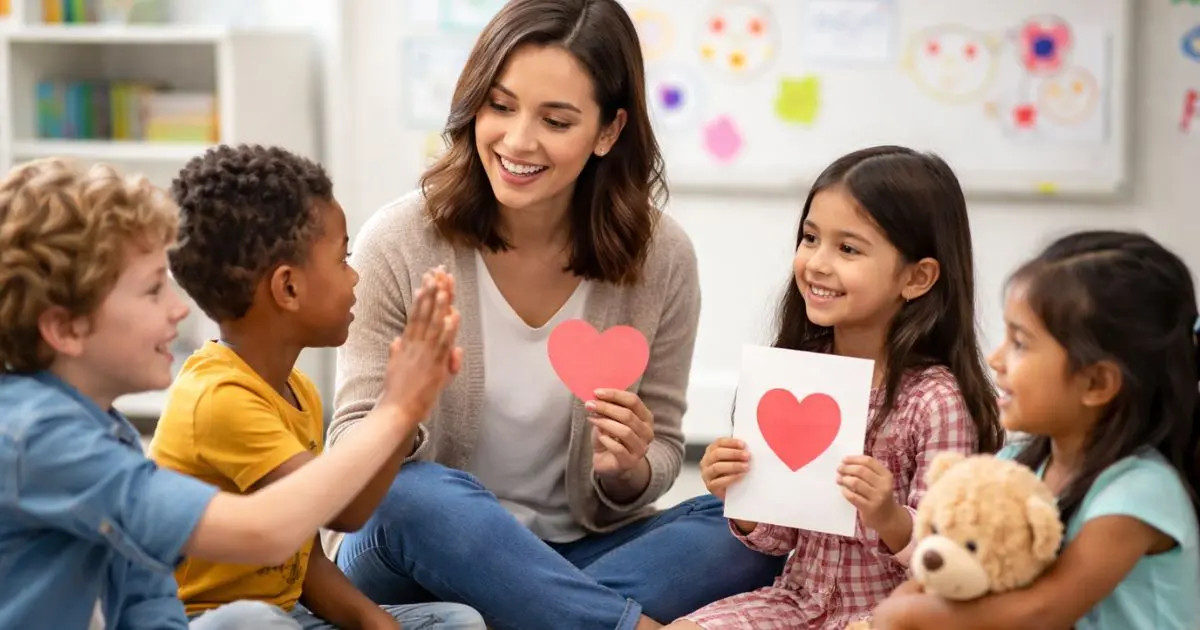
Teaching kids the value of kindness and empathy is one of the most important life lessons parents and educators can provide. These values lay the foundation for positive social interactions and emotional intelligence. By teaching children to be kind and empathetic, we help them understand how to navigate relationships, handle conflicts, and develop a deep sense of compassion for others.
Kindness and empathy go hand in hand, fostering an environment where children feel safe and valued. As we guide kids through these essential lessons, we also promote their emotional well-being, ensuring they grow into caring, respectful, and socially responsible individuals. In this article, we will explore effective ways to teach kids the value of kindness and empathy, share practical strategies for parents and teachers, and highlight the benefits of cultivating these qualities from a young age.
Why Its Important for Children
What is Kindness?
Kindness involves being friendly, generous, and considerate toward others. It is more than just being polite—it is showing care for others’ needs and well-being. Acts of kindness can be small, like helping a classmate, or big, like supporting someone going through a tough time.
What is Empathy?
Empathy is the ability to understand and share the feelings of others. It means recognizing how someone else feels and responding with compassion. For example, if a child sees a friend who is sad, they might offer comfort or simply listen to them.
How These Values Impact Kids’ Emotional Growth
When children practice kindness and empathy, they develop emotional intelligence. Empathetic kids are better at understanding their emotions and the emotions of others, leading to better social interactions and improved emotional regulation.
Scientific Benefits
How Its Improve Mental Health
Studies show that kindness and empathy have direct benefits on mental well-being. Kids who perform kind acts experience a boost in self-esteem and reduced stress. Empathetic children, too, are less likely to experience anxiety or depression, as they feel more connected to others.
The Impact on Social and Cognitive Development
Research indicates that empathy is linked to better cognitive abilities, including enhanced problem-solving and decision-making. Children who show empathy are better at resolving conflicts and understanding multiple perspectives, which is crucial in both their personal and academic lives.
Benefits of Teaching Kids
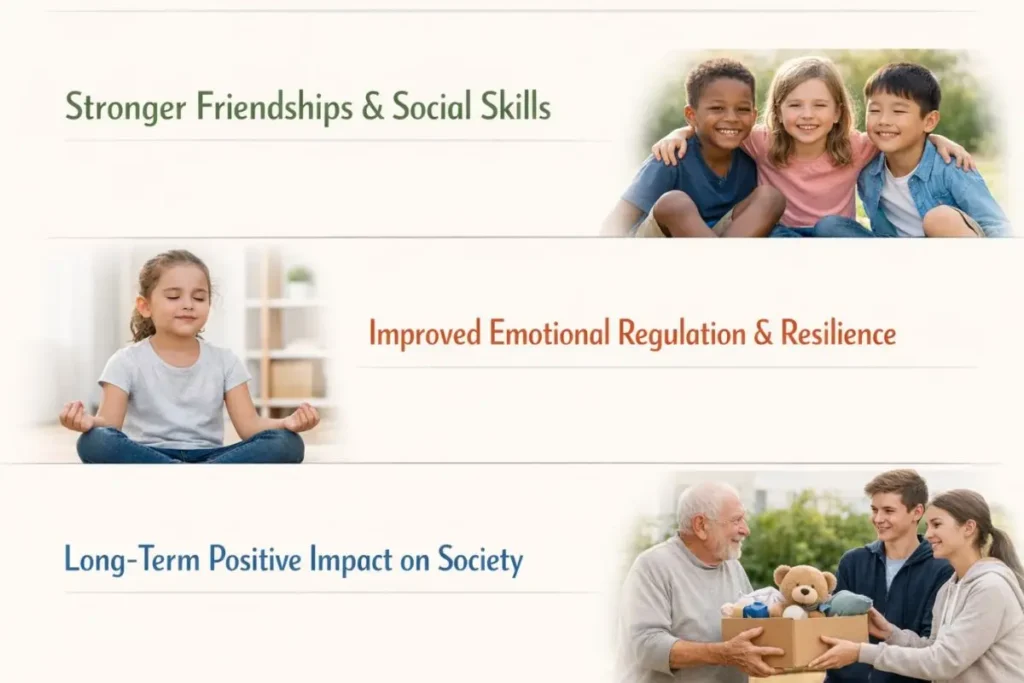
Stronger Friendships and Social Skills
Kids who practice kindness and empathy are more likely to make and maintain strong friendships. They develop skills such as:
- Active listening: Understanding what others are saying without judgment.
- Conflict resolution: Using empathy to resolve disagreements fairly.
- Trust-building: Acts of kindness create a foundation of trust between kids.
Improved Emotional Regulation and Resilience
Empathetic children are better equipped to manage their own emotions and cope with stress. By being aware of others’ feelings, they develop emotional resilience and are less likely to react impulsively in difficult situations.
Long-Term Positive Impact on Society
Teaching kids kindness and empathy contributes to a more compassionate society. Children who grow up practicing these values are more likely to become responsible and caring adults. They’re better equipped to lead with empathy and make decisions that benefit everyone.
Effective Ways to Teach Kids
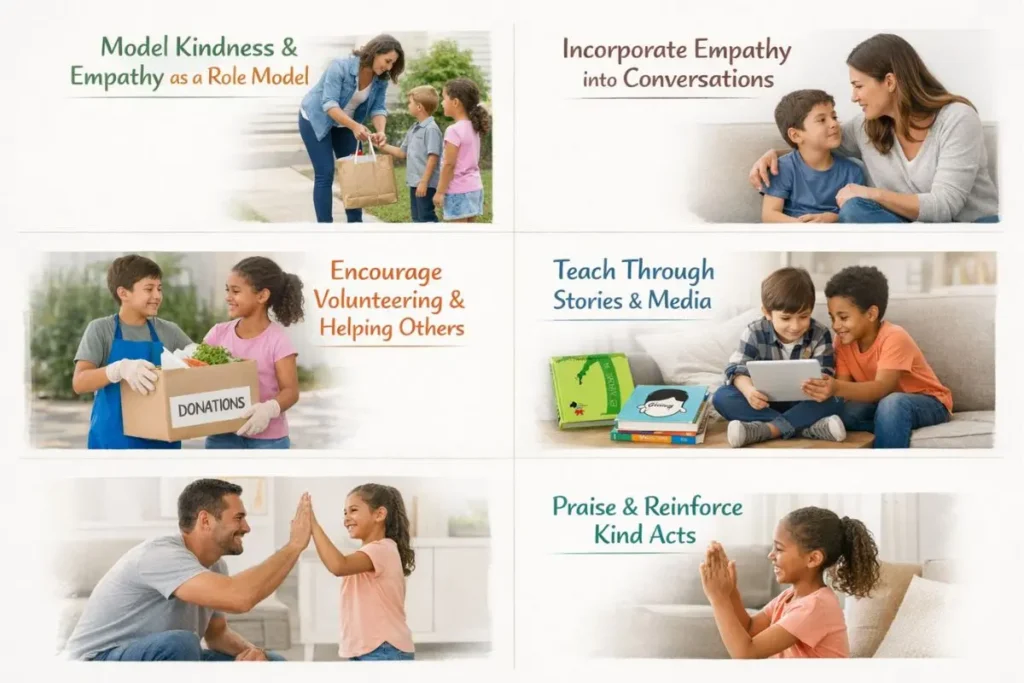
Model Kindness and Empathy as a Role Model
Children learn by observing adults. To teach kindness and empathy, adults must lead by example. Whether it’s helping a neighbor or listening with understanding, showing these behaviors in everyday situations will encourage kids to follow.
Incorporate Empathy into Conversations
To foster empathy, talk to your child about how others might feel in different situations. Ask questions like:
- “How do you think your friend felt when they couldn’t join the game?”
- “What would you do if someone was feeling sad?”
These discussions help kids put themselves in others’ shoes and respond thoughtfully.
Encourage Volunteering and Helping Others
Volunteering is an excellent way to teach empathy and kindness. Kids learn the importance of giving back through hands-on experiences. Consider activities like:
- Helping at a community kitchen
- Cleaning up a local park
- Donating toys or clothes
These experiences teach kids that small acts of kindness can make a big difference.
Teach Through Stories and Media
Books and movies are great tools for teaching empathy and kindness. Characters in stories provide examples of how empathy works in real life. Discuss stories where characters show kindness, such as:
- The Giving Tree by Shel Silverstein
- Wonder by R.J. Palacio
- Inside Out (the movie)
These examples give kids concrete ways to understand and practice empathy.
Praise and Reinforce Kind Acts
Positive reinforcement is key. When your child shows kindness or empathy, praise them for their actions. For example:
- “That was so kind of you to help your sister with her homework.”
- “I’m proud of how you comforted your friend when they were upset.”
This encouragement helps kids internalize these behaviors and feel good about them.
Common Challenges
Peer Pressure and Social Influence
Sometimes, peer pressure can make kids act in ways that don’t align with kindness or empathy. Encourage your child to stay true to their values, even when friends act differently. Help them understand that standing up for what’s right is a sign of strength, not weakness.
Lack of Emotional Awareness
Some children have trouble identifying or understanding emotions. To improve emotional awareness, use tools like emotion cards or role-playing to help kids recognize different feelings. For example:
- Use cards with pictures of different emotions and ask your child to name them.
- Act out various scenarios and ask how they think the characters might feel.
This helps kids better recognize and respond to emotions.
Common Misconceptions
Kindness is Weakness
Some kids may believe that being kind makes them weak or vulnerable. In reality, kindness is a strength. It requires self-control, patience, and understanding. Kids who practice kindness are better equipped to handle difficult situations and resolve conflicts.
Empathy Means Always Saying Yes
Empathy is about understanding others’ feelings, not about agreeing to everything they ask. Teach your child that it’s okay to set boundaries while still showing empathy. For example, understanding a friend’s need for attention while explaining that you can’t always meet every demand is an empathetic response.
Role of Schools in Teaching Its
School Programs and Initiatives
Schools can play a huge role in teaching empathy and kindness. Programs like anti-bullying campaigns, peer mentorship, and kindness challenges can create a culture of empathy. Teachers can integrate these values into the classroom through lessons and group activities that focus on cooperation and understanding.
Creating a Kind and Inclusive School Environment
An inclusive environment promotes mutual respect among students. Schools can help kids practice empathy by encouraging cooperative learning, where students work together to solve problems. Teachers can also foster a culture of empathy by addressing conflicts with care and using restorative practices.
Interactive Activities to Foster Kindness
Games and Role-Playing
Games like “Feelings Charades” or role-playing activities can help children practice empathy. These activities allow kids to walk in someone else’s shoes and understand different emotional responses.
Kindness Journals
Encourage your child to keep a kindness journal where they write down acts of kindness they perform or witness each day. This encourages them to reflect on the positive impact of their actions.
Creating a Kind and Empathetic Environment
Creating a Positive Home and Classroom Atmosphere
At home and in the classroom, creating an environment where kindness and empathy are encouraged helps kids internalize these values. Whether through regular discussions or modeling behaviors, consistency is key. A positive atmosphere reinforces these values day by day.
Encourage Cooperation Over Competition
Instead of focusing on competition, encourage cooperative activities where kids work together. This helps them learn how to be considerate, share responsibilities, and understand others’ needs. Cooperative games and group projects are excellent ways to foster empathy.