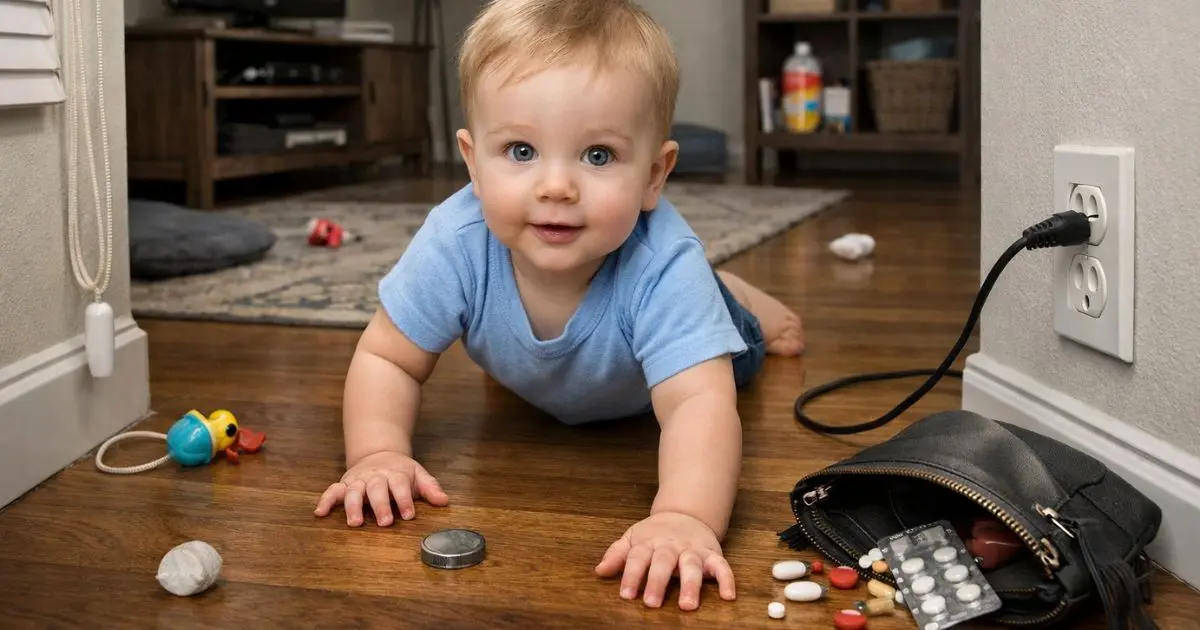
Infant & toddler safety is a top priority for every parent, and while most are aware of the typical dangers such as sharp objects, falls, and choking hazards, there are numerous hidden dangers that often go unnoticed. As infants and toddlers begin to explore their surroundings, parents need to be aware of the risks lurking in everyday items and environments. Many common household products, such as cleaning agents, medications, and even furniture, can pose serious threats if not handled or stored properly.
It’s essential for parents to look beyond the obvious and understand the lesser-known dangers that can affect their child’s health and safety. This article will delve into the hidden risks many parents miss, providing practical safety tips to help create a secure environment for your growing child, from the kitchen to the nursery. By being proactive and informed, parents can prevent accidents and ensure that their home is as safe as possible for their little ones.
Why Infant & Toddler Safety Should Be a Top Priority
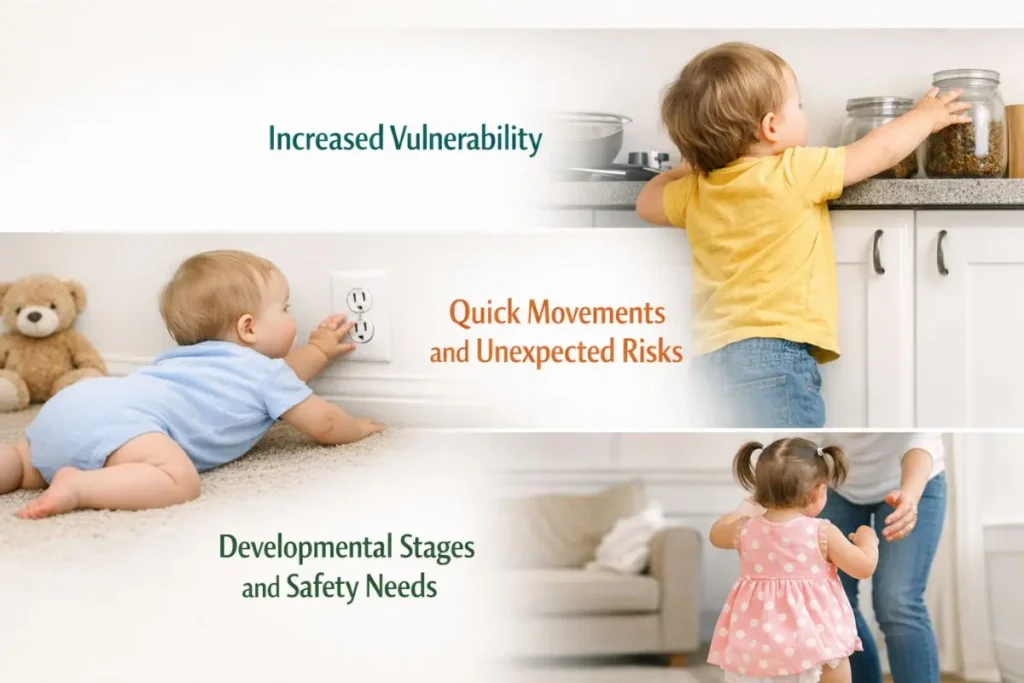
When it comes to babies and toddlers, their bodies and brains are still developing, making them more vulnerable to accidents. In fact, the most common accidents occur because dangers are often missed until it’s too late. Here’s why safety should always be at the top of your priorities:
Increased Vulnerability
- Infants and toddlers are constantly exploring their environment, but they don’t yet have the cognitive ability to understand risks. Their curiosity can lead them to touch, swallow, or get entangled in things they should avoid.
Quick Movements and Unexpected Risks
- Babies and toddlers are unpredictable. Whether they’re grabbing a nearby object or suddenly crawling into a risky situation, they can get into trouble quickly.
Developmental Stages and Safety Needs
- As your child grows, their safety needs will evolve. What worked for your baby when they were an infant may not be suitable once they start crawling or walking.
Common Household Items That Pose Serious Risks
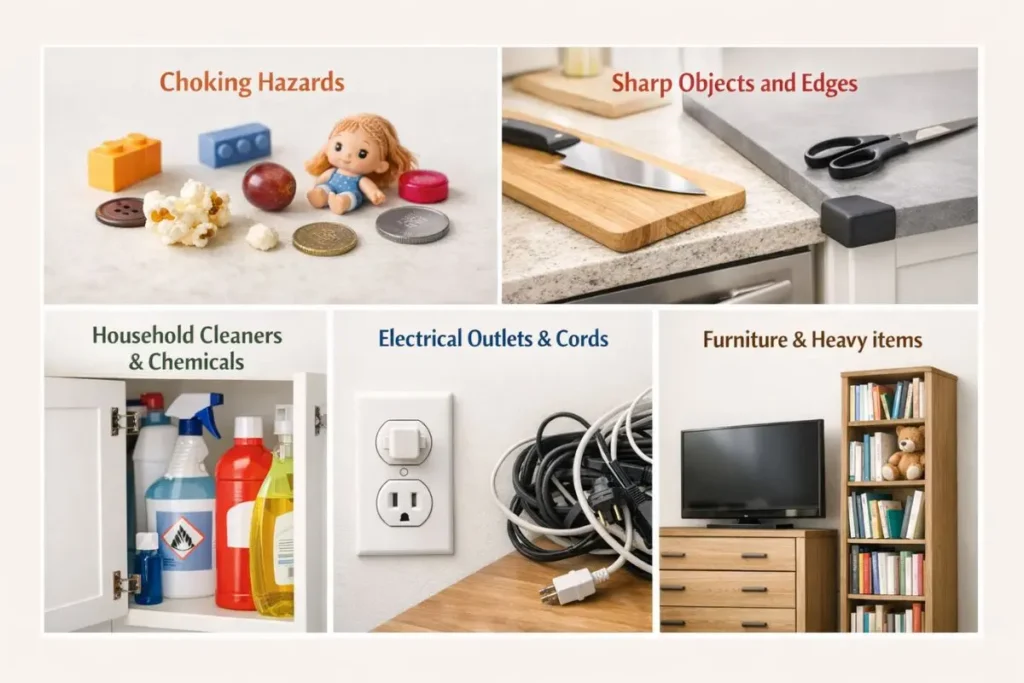
You might assume your home is safe, but there are numerous common household items that pose hidden risks to your little one.
Choking Hazards
Choking is one of the top causes of injury for toddlers. Many seemingly harmless items can pose choking risks, including:
- Toys: Toys with small parts, like building blocks or dolls with small accessories.
- Foods: Foods that are hard to chew, such as nuts, grapes, popcorn, or raw vegetables like carrots.
- Objects: Coins, buttons, batteries, or anything small enough to fit in their mouth.
What to do:
- Always supervise children during playtime and meal times.
- Cut food into small, bite-sized pieces.
- Keep small objects, like coins or buttons, away from children at all times.
Sharp Objects and Edges
From kitchen knives to scissors, sharp objects can cause serious cuts or puncture wounds. Even glass items and broken ceramics can lead to injury.
What to do:
- Store sharp objects in childproof drawers or high cabinets.
- Use safety covers for table corners and sharp edges to reduce the risk of injury.
- Always supervise children in areas where sharp objects are accessible.
Household Cleaners and Chemicals
Household cleaning products such as bleach, ammonia, and toilet bowl cleaners contain chemicals that are harmful to children if ingested or even inhaled.
What to do:
- Store cleaning supplies in locked cabinets out of reach.
- Opt for non-toxic cleaners that are safe for children.
- Always read labels and avoid storing chemicals near food.
Electrical Outlets and Cords
Exposed electrical outlets and cords present a shock hazard. Children are curious and often try to touch or pull on cords, which can lead to severe electrical burns or even death.
What to do:
- Use outlet covers to prevent your child from inserting objects into outlets.
- Keep cords out of reach by using cord organizers, or use adhesive clips to keep cords attached to walls.
- Use cordless appliances whenever possible to minimize the number of exposed cords.
Furniture and Heavy Items
Heavy furniture like bookshelves, TVs, and cabinets can easily tip over if not properly secured. Infants and toddlers often try to pull on furniture, making them especially vulnerable to tip-over accidents.
What to do:
- Secure heavy furniture, TVs, and appliances to the walls using brackets or anchors.
- Keep heavy objects at the bottom of shelves to prevent them from toppling over.
- Use anti-tip devices for large furniture to keep them from tipping.
Top Dangers in the Nursery
Your baby’s nursery should be a safe haven, but some common items in the nursery can also pose hidden dangers. Here are some key areas to focus on:
Cribs and Bedding
Infants are at risk for suffocation if they sleep with soft bedding, pillows, or stuffed animals in their cribs. These items can obstruct their breathing or become a strangulation hazard.
What to do:
- Stick to a firm mattress with a fitted sheet, and avoid pillows, blankets, and stuffed toys in the crib.
- Follow the American Academy of Pediatrics (AAP) guidelines for safe sleep: always lay your baby down on their back to sleep.
Car Seats
One of the most dangerous yet overlooked risks comes from improper car seat installation. An incorrectly installed car seat may not offer the necessary protection in the event of an accident.
What to do:
- Ensure that the car seat is installed securely and fits your child properly. Use the LATCH system or seatbelt for correct installation.
- Get your car seat checked at an inspection station to ensure it’s properly installed.
- Always use a rear-facing car seat until your child reaches the recommended weight or height limit.
Nursery Items
Nursery items like mobiles, strings, and plastic bags can lead to suffocation or strangulation risks.
What to do:
- Remove hanging items like mobiles from the crib.
- Keep plastic bags and anything that could cover your baby’s face out of reach.
Outdoor Safety
While you might be careful indoors, outdoor areas also contain hidden risks that can be harmful to young children.
Playground Dangers
Not all playgrounds are safe. Equipment can be damaged, and surfaces can be unsafe, which can lead to serious injuries.
What to do:
- Regularly inspect playground equipment for damage like rust, broken parts, or sharp edges.
- Ensure the playground has a soft landing surface, such as rubber mats or wood chips, to reduce the risk of injury from falls.
- Always supervise your child while they play, especially on public playgrounds.
Pools
Drowning is a major risk for toddlers, often happening quickly and silently, even in shallow water.
What to do:
- Always supervise your child around water, even if they are in a shallow pool.
- Install pool fences and alarms to alert you if someone enters the pool area.
- Consider enrolling your child in swim lessons when they’re old enough.
Toxins in Nature
Outdoor areas, including gardens and parks, can contain harmful pesticides, toxic plants, or animal droppings that can pose health risks to toddlers.
What to do:
- Avoid areas where pesticides have been recently applied.
- Learn to identify toxic plants (e.g., poison ivy, oleander) and teach your child to avoid them.
- Wash hands thoroughly after playing outside, especially before eating.
The Hidden Dangers of Digital Devices and Screens
As digital devices become a more significant part of life, there are growing concerns about their impact on child safety, development, and health.
Screen Time and Child Development
Excessive screen time can affect your child’s behavior, sleep, and cognitive development. Parents often overlook the consequences of too much screen exposure.
What to do:
- Limit screen time to one hour per day for children under five, according to the AAP.
- Encourage interactive play with toys, books, and outdoor activities instead of passive screen time.
- Set screen-free zones like the dining room and bedrooms to foster better family interaction.
Online Risks
The internet poses hidden dangers, even for young children. They may accidentally stumble across inappropriate content or chat with strangers.
What to do:
- Use parental controls to restrict access to certain websites and apps.
- Monitor online activity and teach your child about online safety, such as not talking to strangers.
- Limit the use of apps or games that allow interaction with unknown users.
Preventive Measures
Childproofing doesn’t have to be overwhelming. With a little planning, you can make your home a safe space for your toddler.
Childproofing Checklist
- Kitchen: Use latches on cabinets and drawers to keep cleaning products and sharp objects out of reach.
- Bathroom: Store medications and chemicals in locked cabinets.
- Living Room: Anchor heavy furniture, secure cords, and keep small items away.
- Stairs: Install baby gates at the top and bottom of stairs.
- Bedroom: Keep small toys and items that could be choking hazards away.
Establishing a Safe Play Area
- Create a designated play area that is free from sharp objects and dangerous items.
- Use soft foam mats to cushion falls, and place baby gates to prevent access to unsafe areas.
- Always supervise your child during playtime, even if the area is childproofed.
Emergency Preparedness
Accidents can happen at any moment, and being prepared can make all the difference. Here are a few emergency tips for parents:
- Know CPR and First Aid: Taking a course on infant and child CPR can save lives.
- Emergency Numbers: Have emergency numbers, including poison control, saved in your phone.
- First Aid Kit: Keep a well-stocked first aid kit in your home and car.
How to Build a Safe Outdoor Space
The outdoors can be a playground, but there are safety risks to consider. To make sure your outdoor spaces are safe:
- Install soft ground surfaces like rubber mulch or grass.
- Keep dangerous tools and chemicals locked away in a shed.
- Ensure fences and gates are secure to keep your child from wandering off.
Baby Safety
There are many misconceptions surrounding baby safety, and it’s essential to separate fact from fiction.
- Myth 1: It’s safe for babies to sleep on their stomachs.
- Fact: Babies should always sleep on their backs to reduce the risk of SIDS.
- Myth 2: Baby bumpers in cribs are safe.
- Fact: Soft bumpers can pose suffocation and strangulation risks.