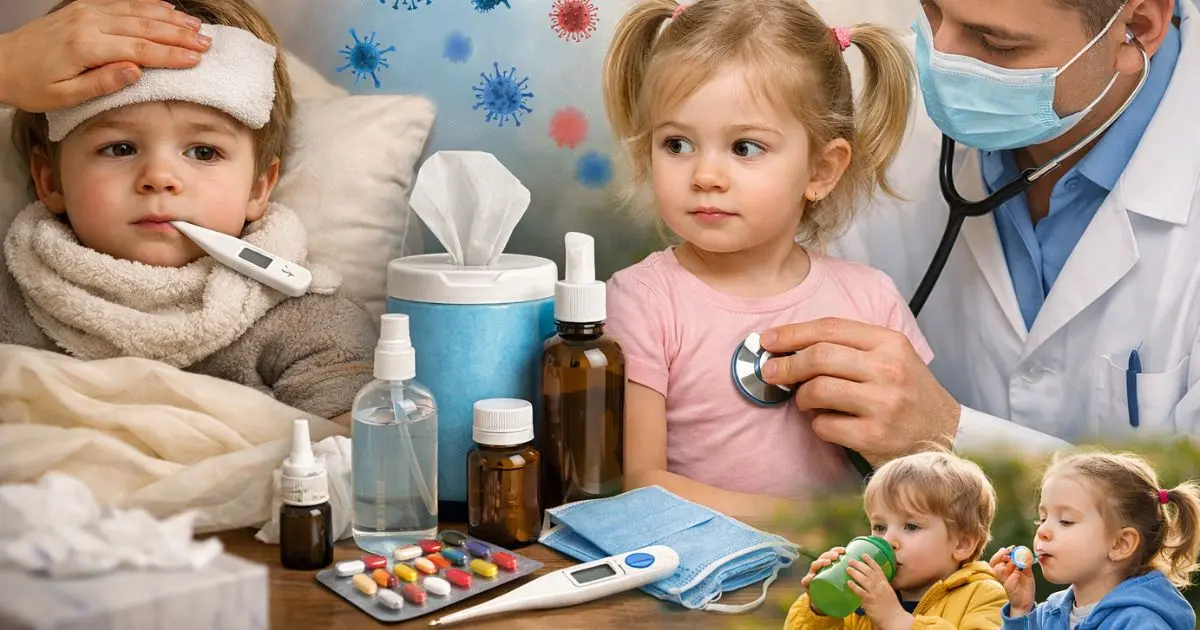
As a parent, one of your top priorities is ensuring the health and well-being of your toddler. Unfortunately, toddlers are prone to a variety of common illnesses, ranging from colds and flu to more serious infections like ear infections and respiratory illnesses. These common toddler illnesses can be a source of concern for parents, but with the right knowledge, you can take proactive steps to prevent them.
By understanding the symptoms, causes, and preventative measures for these illnesses, you can help protect your toddler’s health and provide them with a safe, healthy environment to grow and develop. This guide offers insights into the most frequent toddler illnesses and practical tips on how to prevent them, ensuring your child remains as healthy and happy as possible.
Understanding Toddler Immunity and Health
What Makes Toddlers More Vulnerable to Illness?
Toddlers are more susceptible to illness because their immune systems are still maturing. At this age, they are building resistance to common bacteria and viruses they encounter in their environment.
Why is this important?
- Immature Immune System: Unlike adults, toddlers have not yet developed full immunity to many diseases, which makes them prone to infections.
- Exploration and Exposure: Toddlers put everything in their mouths, touch a variety of surfaces, and interact with other children in daycare, schools, and playgroups — all of which increase their exposure to germs.
Why Prevention is Key for Toddler Health
Prevention is much more effective than treatment, especially with young children. Vaccination, proper hygiene, and a healthy lifestyle are crucial in protecting your toddler from preventable illnesses.
A healthy immune system, proper hygiene, and well-timed vaccinations can dramatically reduce the frequency and severity of illnesses.
Common Toddler Illnesses
Cold and Flu
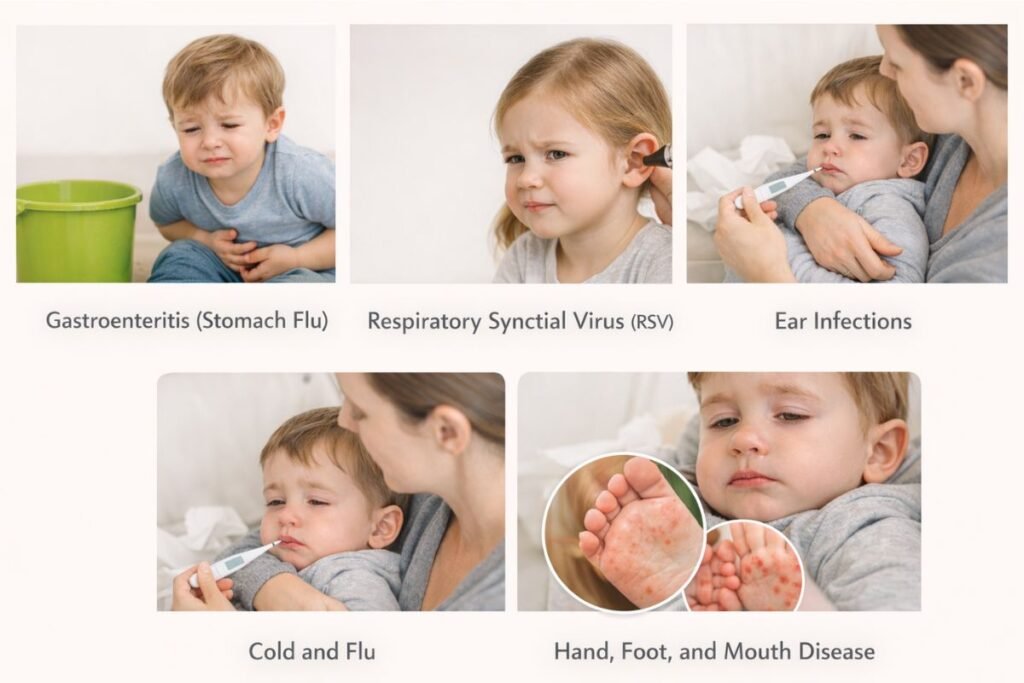
The common cold and flu are two of the most frequent illnesses toddlers encounter. These viruses are highly contagious and spread quickly, especially in crowded places like daycares and schools.
What to Look For:
- Common Cold: Nasal congestion, coughing, sneezing, sore throat, mild fever.
- Flu: High fever, fatigue, headache, sore throat, and sometimes body aches.
Prevention Tips:
- Hand-washing: Teach your toddler to wash their hands for at least 20 seconds, especially before meals and after using the bathroom.
- Flu Vaccine: Getting the flu vaccine annually is crucial to protecting toddlers.
- Limit Exposure: Keep your child away from people who are sick and try to avoid crowded places during flu season.
Ear Infections
Ear infections are particularly common in toddlers due to their smaller and more horizontal ear canals. These infections are often caused by bacteria or viruses that travel from the nose and throat to the ears.
Signs and Symptoms:
- Pulling at their ears
- Fussiness or irritability
- Trouble sleeping or eating
- Fluid draining from the ear
Prevention Tips:
- Elevate their Head: When they’re lying down, ensure their head is elevated to help prevent fluid buildup in the ears.
- Avoid Smoke: Secondhand smoke can increase the risk of ear infections.
- Breastfeeding: Studies show that breastfeeding can lower the risk of ear infections in toddlers by boosting their immune systems.
Respiratory Syncytial Virus (RSV)
RSV is a virus that causes infections in the lungs and respiratory tract, and it’s particularly dangerous for babies and young children. It can cause severe breathing difficulties and hospitalization in some cases.
Symptoms:
- Runny nose
- Cough
- Shortness of breath
- Wheezing or rapid breathing
Prevention Tips:
- Hygiene: Frequent hand-washing and using hand sanitizers can help prevent RSV.
- Avoid Sick Individuals: Keep your toddler away from people showing signs of cold or flu symptoms.
- Healthy Environment: Keeping your toddler’s environment clean, especially in common areas, helps reduce the spread of germs.
Gastroenteritis (Stomach Flu)
This viral infection causes vomiting, diarrhea, and stomach cramps. Toddlers can become dehydrated quickly, so it’s crucial to act fast.
What to Look For:
- Vomiting and diarrhea
- Fever
- Stomach cramps and discomfort
Prevention Tips:
- Hydration: Keep your toddler hydrated with clear fluids. Pedialyte or water is best.
- Hand-washing: This is the best way to avoid the spread of the virus, especially after using the bathroom or before meals.
- Safe Food Handling: Always wash fruits and vegetables before eating, and ensure that food is stored and cooked properly.
Hand, Foot, and Mouth Disease (HFMD)
This viral illness commonly affects toddlers and young children. It causes a fever, sores in the mouth, and a rash on the hands and feet. It’s highly contagious.
What to Look For:
- Fever
- Mouth sores
- Red rash on hands, feet, and sometimes the buttocks
Prevention Tips:
- Hand Hygiene: Teach your child to wash their hands regularly to prevent spreading the virus.
- Isolate Sick Kids: Keep your toddler home if they’re showing signs of HFMD to prevent others from getting sick.
- Clean Toys and Surfaces: Regularly clean toys, highchairs, and other frequently touched areas.
Conjunctivitis (Pink Eye)
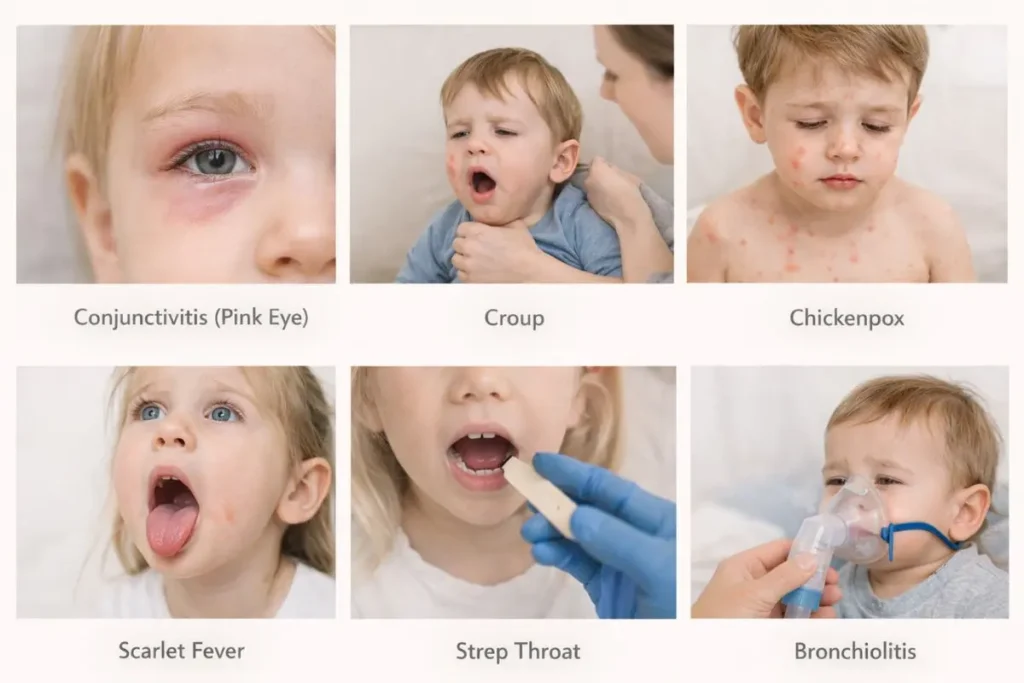
Conjunctivitis, commonly known as pink eye, causes redness in the eyes, discharge, and irritation. It can be caused by bacteria, viruses, or allergens.
What to Look For:
- Red or swollen eyes
- Discharge or crusting around the eyes
- Sensitivity to light
Prevention Tips:
- Avoid Touching the Eyes: Teach your toddler not to rub or touch their eyes.
- Hand-washing: Since pink eye is contagious, washing hands frequently is essential.
- Avoid Sharing Towels or Linens: Make sure your toddler does not share towels, pillows, or sheets with others.
Croup
Croup is a viral infection that causes swelling in the airways, leading to breathing difficulties and a characteristic “barking” cough. It is especially common in young children.
What to Look For:
- Barking cough
- Hoarseness or loss of voice
- Difficulty breathing, especially at night
- Fever
Prevention Tips:
- Humidified Air: Use a cool-mist humidifier to help ease breathing at night.
- Fluids: Encourage your toddler to drink fluids to stay hydrated.
- Avoid Smoking: Secondhand smoke can aggravate symptoms and increase the risk.
Chickenpox
Chickenpox is a highly contagious viral infection that causes an itchy rash with red spots and blisters. Though the vaccine can prevent it, some toddlers still contract the virus before getting vaccinated.
What to Look For:
- Red spots or blisters on the skin
- Fever and tiredness
- Itchy rash
Prevention Tips:
- Vaccination: Ensure your child receives the chickenpox vaccine, as recommended by the CDC.
- Isolation: Keep your toddler at home to avoid spreading the virus to others.
- Calamine Lotion: Apply calamine lotion to soothe itching.
Scarlet Fever
Scarlet fever is caused by bacteria that also lead to strep throat. It is marked by a red rash, fever, and a sore throat.
What to Look For:
- Red rash that feels like sandpaper
- Sore throat and fever
- “Strawberry” tongue (a swollen, red tongue with white coating)
Prevention Tips:
- Antibiotics: Make sure to complete any prescribed antibiotics if your toddler contracts it to prevent complications.
- Hand Hygiene: Frequent hand-washing and avoiding sharing personal items can help prevent the spread of bacteria.
Strep Throat
Strep throat is a bacterial infection that causes inflammation in the throat and tonsils, leading to severe sore throat and difficulty swallowing.
What to Look For:
- Severe sore throat
- Red and swollen tonsils
- Fever and headache
- Swollen lymph nodes
Prevention Tips:
- Antibiotics: If diagnosed, your toddler will need antibiotics to treat the infection.
- Avoid Sharing: Don’t let your child share utensils, cups, or towels with others.
- Hand-washing: Teach your toddler to wash their hands regularly, especially after sneezing or coughing.
Bronchiolitis
Bronchiolitis is a common viral infection affecting the lower respiratory tract, particularly in babies and toddlers. It can cause difficulty breathing and coughing.
What to Look For:
- Wheezing
- Difficulty breathing
- Runny nose and cough
- Fast or labored breathing
Prevention Tips:
- Limit Exposure: Keep your toddler away from sick individuals, particularly during peak flu season.
- Fluids: Ensure your toddler stays hydrated to help loosen mucus.
- Hand Hygiene: Make sure your child washes their hands regularly, especially after playing.
Tips for Preventing Illnesses
Proper Hand Hygiene
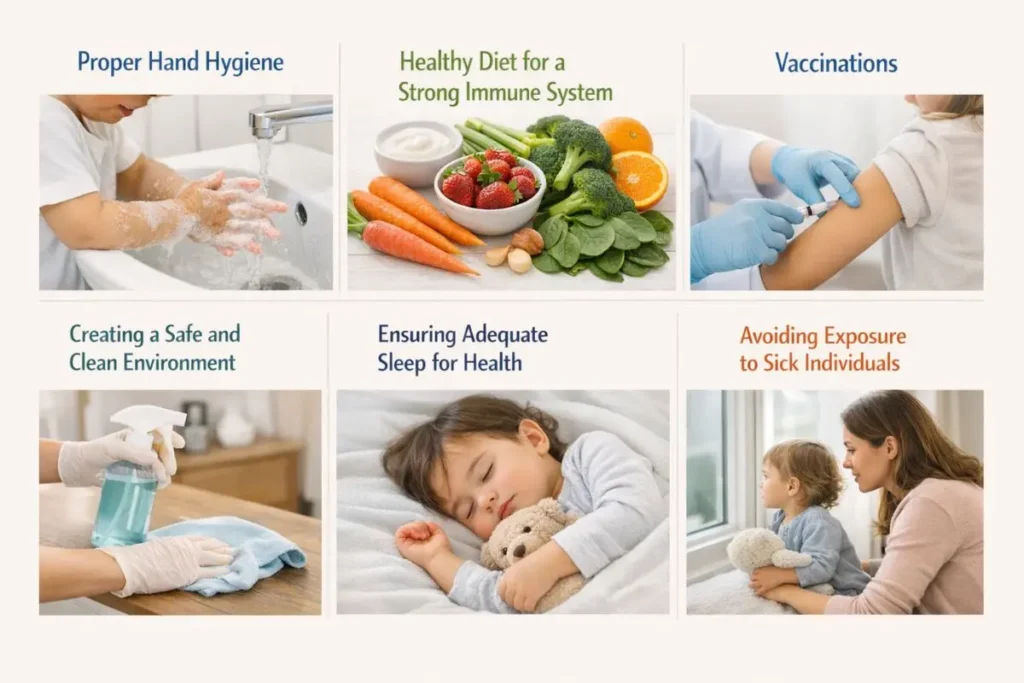
Hand hygiene is the single most effective way to prevent the spread of illness. Teaching your toddler how to wash their hands properly is crucial.
Steps to Teach Hand-washing:
- Use soap and water for at least 20 seconds.
- Sing a song or use a timer to make sure they wash long enough.
- Dry hands properly with a clean towel.
Healthy Diet for a Strong Immune System
A healthy diet rich in vitamins and minerals strengthens the immune system and helps prevent illness. Provide your toddler with plenty of fruits, vegetables, whole grains, and lean proteins.
Foods that Boost Immunity:
- Citrus fruits (oranges, lemons, strawberries)
- Leafy greens (spinach, kale)
- Yogurt (rich in probiotics)
- Carrots, sweet potatoes, and other orange veggies (rich in Vitamin A)
Vaccinations
Vaccinations are essential for protecting your toddler from serious diseases like measles, chickenpox, and the flu. The CDC vaccination schedule provides a detailed timeline for when your toddler should receive each vaccine.
Key Vaccines for Toddlers:
- Flu vaccine (annually)
- MMR vaccine (Measles, Mumps, Rubella)
- Varicella vaccine (Chickenpox)
Creating a Safe and Clean Environment
Keeping your home safe and clean is essential in preventing illness. Germs can linger on toys, furniture, and other surfaces.
How to Keep Your Home Clean:
- Wipe down high-touch surfaces like doorknobs and light switches.
- Disinfect toys regularly to prevent bacteria from spreading.
- Ventilate rooms to reduce the build-up of germs in enclosed spaces.
Ensuring Adequate Sleep for Health
Sleep is essential for a toddler’s health. It allows their body to rest and recover, making it easier to fight off infections.
Tips for Better Sleep:
- Create a consistent bedtime routine.
- Make sure your toddler’s sleep environment is comfortable, cool, and quiet.
- Avoid screen time at least 30 minutes before bed.
Avoiding Exposure to Sick Individuals
Keeping your toddler away from sick people is one of the best ways to prevent illness.
How to Limit Exposure:
- Stay home when your child is sick to avoid spreading germs.
- Avoid crowded places when possible, especially during flu season.
- Teach your toddler not to share personal items like cups, toys, or towels with others.
When to Seek Medical Help for Illness
Recognizing Severe Symptoms
Some symptoms require immediate medical attention. These include:
- High fever (above 104°F)
- Trouble breathing
- Severe dehydration (dry mouth, no tears when crying)
Importance of Regular Check-ups and Monitoring
Regular pediatric visits ensure your toddler’s health is on track. Keep track of their development and health, and always consult a doctor if you’re concerned about symptoms.