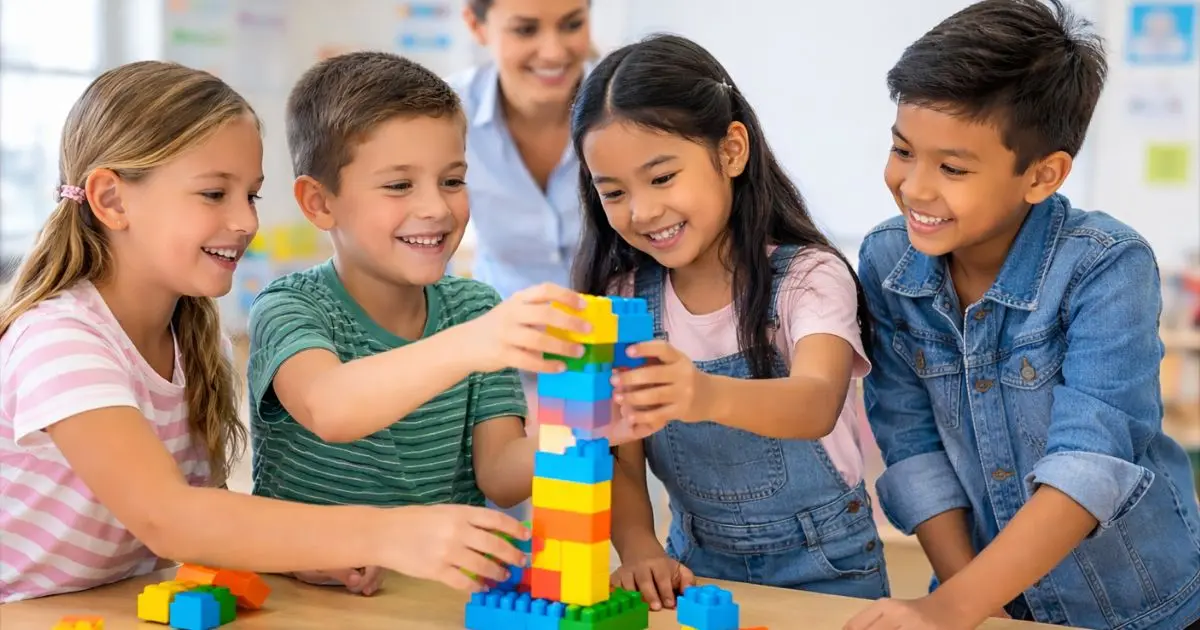
Instilling positive teamwork and cooperation in kids is essential for their development, both socially and emotionally. When children learn how to work together as a team, they gain valuable skills like communication, problem-solving, and conflict resolution. These skills are not only crucial in school but also set the stage for success in adulthood. Encouraging teamwork helps children understand the importance of collaboration, as well as the need for empathy and respect for others’ opinions and ideas.
By fostering a cooperative mindset, parents and educators can empower kids to achieve shared goals while also building trust, responsibility, and leadership abilities. In this article, we will explore several effective strategies, activities, and techniques that parents and teachers can use to teach kids about positive teamwork, making cooperation an enjoyable and educational experience. These approaches will help children develop the emotional intelligence and social skills they need to succeed in group settings, both now and in the future.
The Benefits of Teamwork and Cooperation for Kids
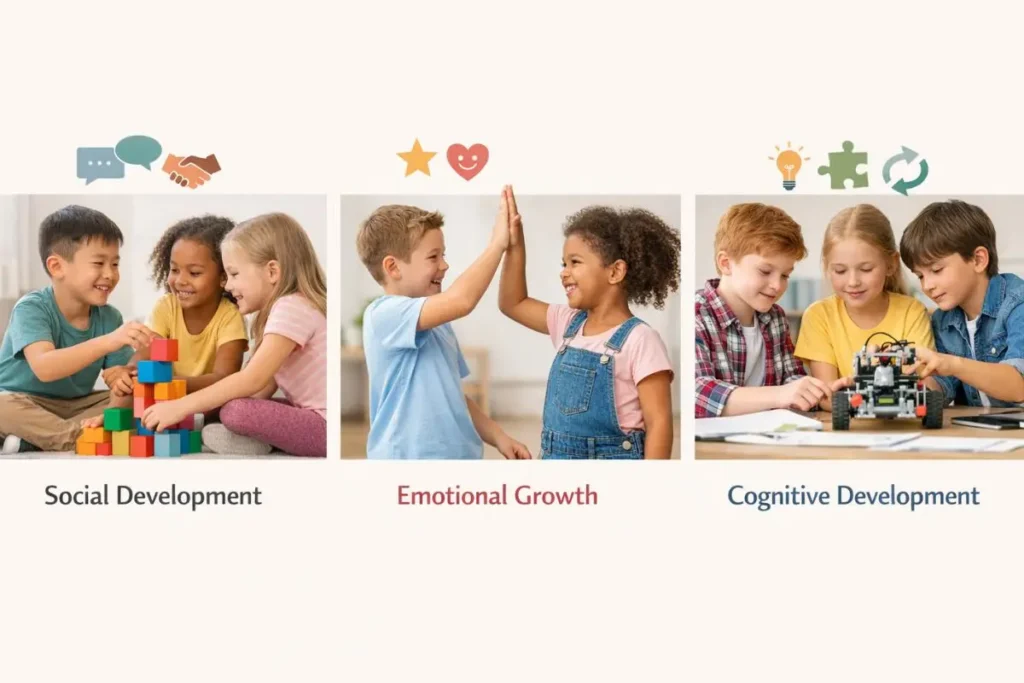
Teaching teamwork and cooperation in kids offers numerous advantages that extend far beyond childhood. These benefits lay the foundation for a child’s future success and well-being. Let’s explore the key advantages:
Social Development
- Improved social skills: Teamwork helps kids learn how to communicate effectively, share ideas, and listen to others. These skills are vital for making friends and functioning in social environments.
- Increased empathy: Working together encourages kids to understand different perspectives, fostering empathy and compassion for others.
Emotional Growth
- Boosted confidence: When kids successfully work together as a team, they feel a sense of accomplishment, which can boost their self-esteem and motivation.
- Better emotional regulation: In a team, kids learn to manage their emotions, especially when faced with challenges like disagreements or frustration.
Cognitive Development
- Enhanced problem-solving skills: Collaboration encourages kids to think critically, share solutions, and come up with creative ideas together. This strengthens their cognitive abilities.
- Improved adaptability: Teamwork teaches kids how to adapt to different situations and roles, making them more flexible and resourceful.
Overall, teamwork and cooperation lay the groundwork for healthy social interactions, emotional resilience, and critical thinking skills—skills essential for navigating both personal and professional challenges.
The Role of Parents in Encouraging Teamwork in Kids
Parents are the first role models children look up to when it comes to cooperation and teamwork. Here’s how parents can actively encourage these skills at home:
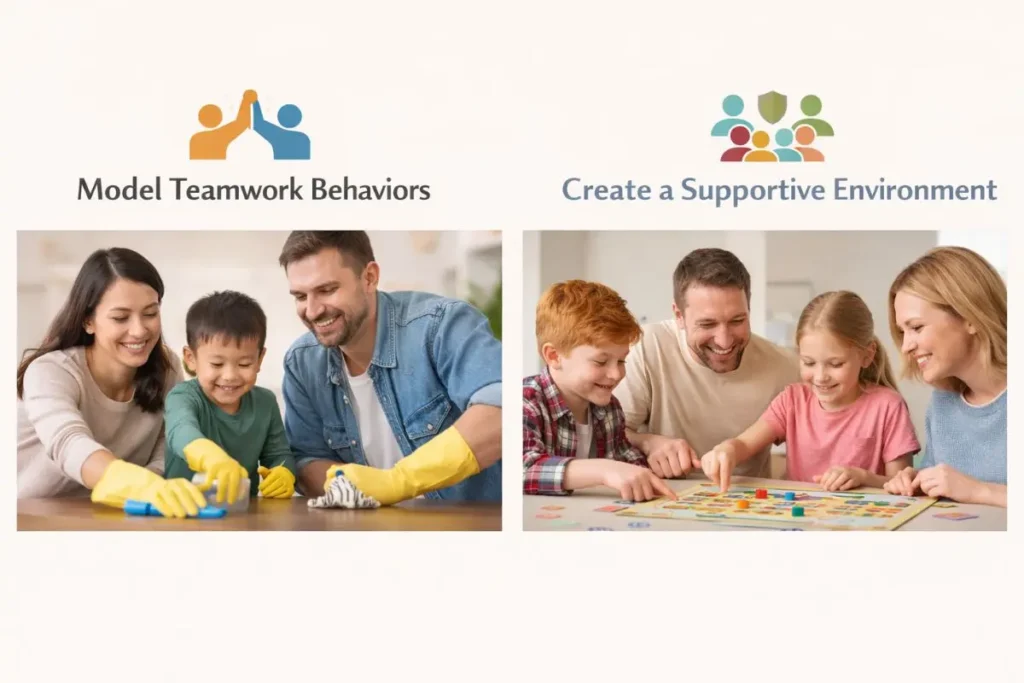
Model Teamwork Behaviors
- Lead by example: Children learn a lot by observing their parents. If they see their parents collaborating and cooperating—whether at home, work, or social situations—they’ll naturally follow suit.
- Incorporate teamwork into daily activities: Work on household chores together as a family, such as cleaning, cooking, or organizing. These shared tasks provide an opportunity for kids to practice cooperation.
Create a Supportive Environment
- Encourage group play: Organize playdates or family activities that require cooperation, such as board games, team-building exercises, or group crafts.
- Use praise effectively: Acknowledge and celebrate moments when your child works well with others. This positive reinforcement encourages them to continue practicing teamwork.
By fostering an environment that values cooperation, parents can significantly shape their child’s ability to work harmoniously with others in various situations.
Practical Ways to Teach at Home
Teaching teamwork and cooperation at home doesn’t have to be complicated. Here are simple yet effective strategies to help your child develop these skills:
- Assign cooperative tasks: Give children age-appropriate tasks that require collaboration, such as setting the table together, organizing a family event, or preparing a meal.
- Incorporate cooperative games: Board games like Monopoly, cooperative puzzle-solving, or role-playing games teach kids to work as a team to accomplish a common goal.
- Create family challenges: Host a family competition or a scavenger hunt where team effort is required. This will teach your child how to share ideas, divide tasks, and support each other.
These activities promote teamwork by helping kids understand the importance of communication, compromise, and mutual respect.
How Schools and Teachers Can Foster
Schools play a pivotal role in teaching kids how to cooperate with others. Teachers can implement various methods to encourage teamwork among students, both in and outside the classroom:
Group Projects
- Collaborative learning: Assign group projects where children must work together to solve a problem or complete a task. This encourages communication, negotiation, and shared decision-making.
- Peer teaching: Allow students to teach each other concepts or review material together. This not only strengthens cooperation but also builds confidence and reinforces learning.
Extracurricular Activities
- Team sports: Sports such as soccer, basketball, or swimming relay races provide a structured way for children to practice teamwork. These activities teach kids how to work together to achieve a common objective.
- Clubs and groups: Encourage participation in school clubs like drama, robotics, or debate teams. These extracurriculars often require kids to collaborate with others and contribute to a team’s success.
By incorporating teamwork into both academic and extracurricular activities, schools give students valuable opportunities to build cooperative skills.
Encouraging in Sports and Other Activities
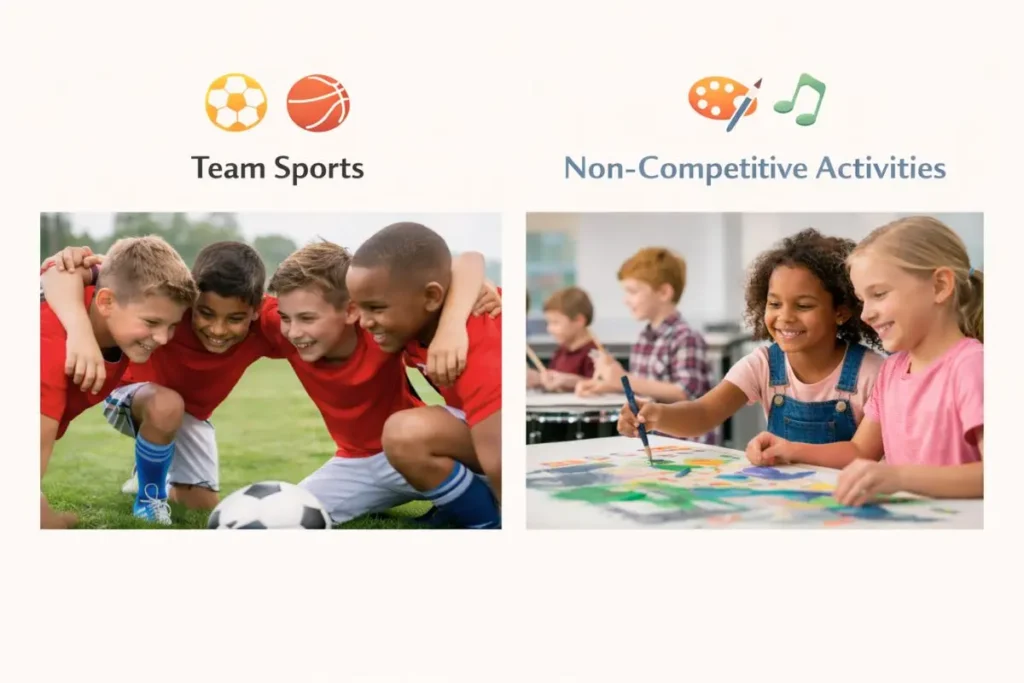
Sports and extracurricular activities are fantastic avenues for teaching teamwork and cooperation. Here’s how:
Team Sports
- Collaboration in action: Team sports help kids learn how to work with others toward a common goal. Whether it’s on the field or court, children experience the benefits of cooperation through coordinated efforts.
- Dealing with adversity: Team sports also teach kids how to handle challenges, setbacks, and even failure as a group, which builds resilience and encourages a growth mindset.
Non-Competitive Activities
- Group arts and crafts: Activities like group painting, theater, or dance teach kids to work together while expressing creativity.
- Music and band: Playing in a school band or orchestra provides opportunities for kids to learn the importance of synchronization and team effort.
By participating in sports and extracurriculars, kids learn not only to cooperate but also to build leadership and communication skills that benefit them in many areas of life.
Overcoming Challenges
Different children have varying personalities and temperaments. Understanding these differences can help parents and teachers find the right approach for teaching teamwork:
Introverted Kids
- One-on-one collaboration: Introverted children may find group work overwhelming. Start by encouraging smaller group activities or tasks with one partner, allowing them to feel comfortable working with others.
- Positive encouragement: Praise their efforts, even if they prefer working alone, to help them develop social skills gradually.
Extroverted Kids
- Leadership opportunities: Extroverted children often thrive in larger groups. Give them leadership roles in group activities to help them develop their teamwork skills and guide others.
- Foster patience: Encourage them to listen to others and be mindful of quieter voices in the group.
Independent Kids
- Cooperative tasks with a sense of autonomy: Independent kids may resist group work at first. Encourage activities that allow them to collaborate while maintaining some control over the task, such as delegating roles within the group.
By recognizing the unique needs of each child, you can teach them cooperation in a way that matches their personality.
Setting Realistic Expectations & Positive Reinforcement
When teaching teamwork and cooperation, it’s important to set realistic expectations and provide positive reinforcement. Here’s how:
- Set small, achievable goals: For younger children, simple tasks like completing a chore together or organizing toys can be an excellent start. As they grow, increase the complexity of the tasks.
- Celebrate successes: Whether it’s a job well done on a school project or working together to clean up after a family event, praise the teamwork and cooperation involved.
- Offer constructive feedback: Instead of criticizing failures, provide guidance on how to improve and encourage further collaboration.
By reinforcing positive behavior, kids learn that working together has both personal and group benefits.
Long-Term Impact of Teamwork on Kids’ Success
The lessons kids learn about teamwork and cooperation during childhood have a lasting impact on their adult lives. Here’s how:
- Career success: In the workplace, collaboration and cooperation are highly valued. People who work well in teams are often seen as better leaders and problem-solvers.
- Personal relationships: Teamwork teaches kids to navigate relationships, which helps them build healthy friendships, partnerships, and family dynamics later in life.
- Leadership development: By practicing teamwork, kids develop critical leadership skills such as decision-making, responsibility, and the ability to inspire others.
By instilling these values early on, you are helping your child succeed in both their personal and professional life.