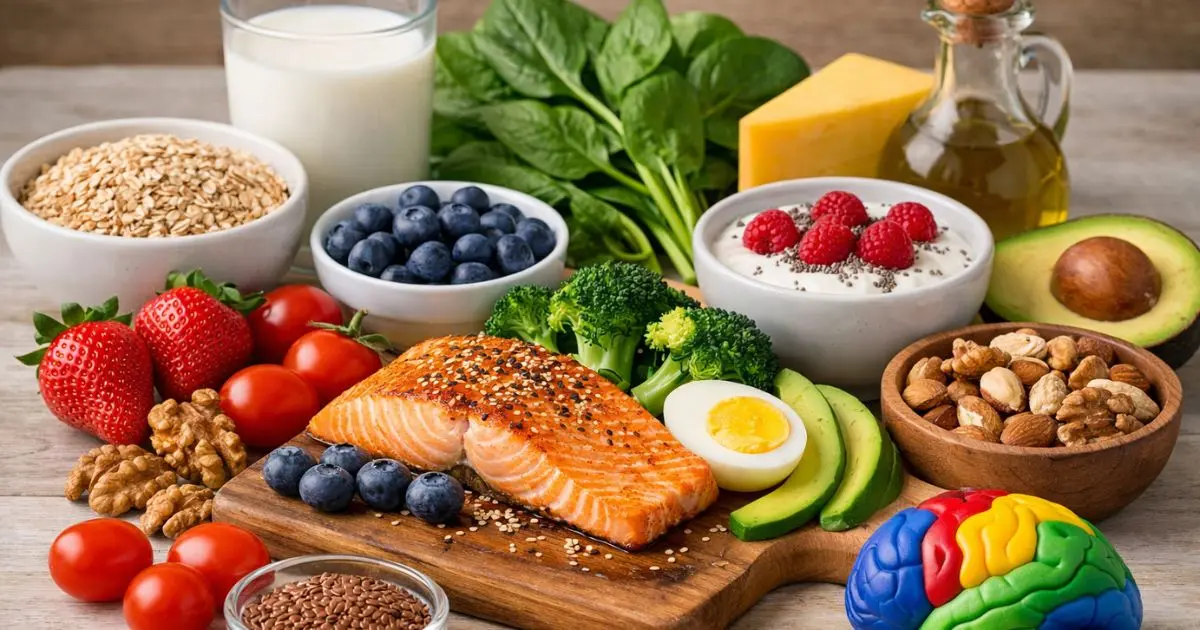
“Proper nutrition plays a pivotal role in toddler brain development, as the early years are crucial for cognitive growth and laying the foundation for lifelong learning. During this stage, the foods toddlers eat have a significant impact on their mental and emotional development. Offering a variety of brain-boosting foods can support brain health, enhance memory, and improve concentration and focus.
By providing toddlers with foods for brain development, parents can ensure their child receives the necessary nutrients to foster cognitive skills and overall well-being. In this article, we’ll explore the best foods for toddler brain development, focusing on those rich in essential omega-3 fatty acids, vitamins, and minerals, which are vital for enhancing brain function, boosting memory, and promoting optimal development.”
Understanding Brain Growth in Toddlers
During the toddler years, between ages 1 and 3, a child’s brain experiences a remarkable period of growth and development. It is during this time that brain connections are formed, which lay the foundation for learning, memory, language, and emotional regulation. Proper nutrition for brain development is essential during this phase, as it supports the formation of neural pathways and helps the brain function at its best.
- Key Nutrients for Brain Health: Nutrients like omega-3 fatty acids, proteins, and vitamins (such as vitamin D, folate, and B vitamins) are vital for brain function.
- Impact on Cognitive Skills: A well-fed brain supports a toddler’s cognitive development, which influences skills like problem-solving, language comprehension, and focus.
Diet’s Impact on Cognitive Function & Emotional Well-being
Nutrition doesn’t just affect brain structure—it also impacts how toddlers feel and interact with the world. A well-balanced diet helps regulate mood and behavior, improving emotional well-being. For example, foods rich in omega-3s and antioxidants promote better focus and a positive mood, which enhances learning and social interactions.
Top 10 Best Foods for Toddler Brain Development
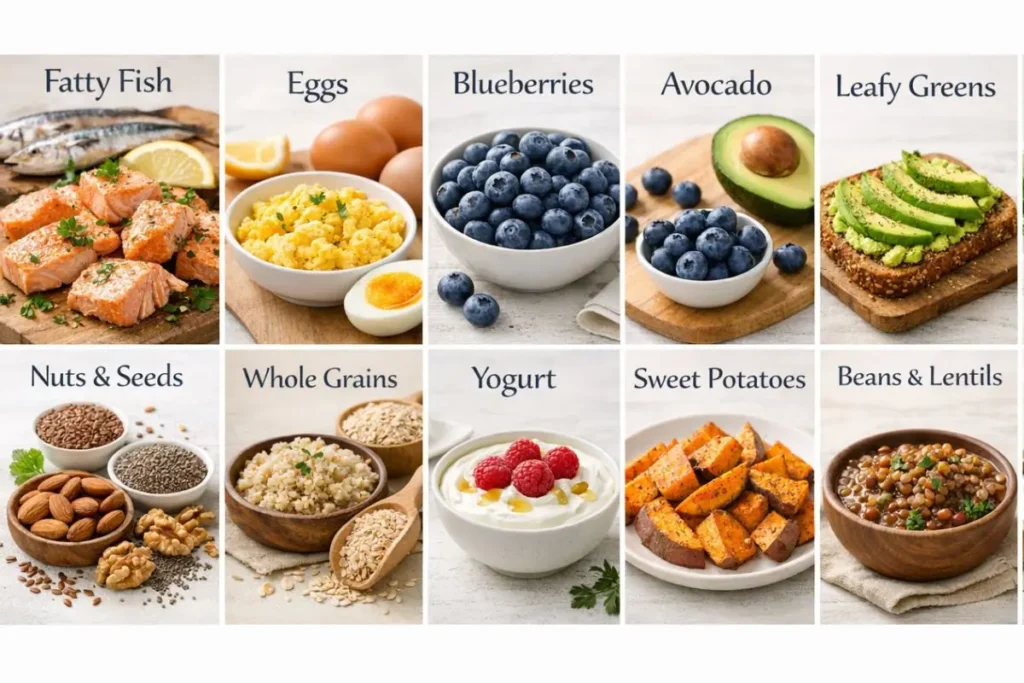
Fatty Fish
- Why It’s Beneficial: Fatty fish like salmon, sardines, and mackerel are loaded with omega-3 fatty acids, especially DHA (Docosahexaenoic acid). DHA is a crucial building block for the brain, helping form new brain cells and improve their connectivity.
- Serving Suggestions: Serve fish in bite-sized pieces, or mix mashed fish into pasta sauces or soups.
- Research Insight: Studies have shown that toddlers who consume adequate DHA perform better in cognitive tests.
- LSI Keywords: Omega-3 fatty acids for brain health, DHA for toddlers
Eggs
- Why It’s Beneficial: Eggs are rich in choline, a nutrient that helps create acetylcholine, a neurotransmitter important for memory and learning. Eggs also provide essential proteins that aid in overall growth and development.
- Serving Suggestions: Scrambled eggs with finely chopped vegetables, or hard-boiled eggs as a snack.
- Expert Tip: Eggs can be served daily for toddlers—just make sure they are cooked thoroughly to avoid any risk of foodborne illness.
- LSI Keywords: Protein-rich foods for toddlers, Choline for brain health
Blueberries
- Why It’s Beneficial: Blueberries are known for their high levels of antioxidants, especially flavonoids. These antioxidants protect brain cells from oxidative stress and improve memory, learning, and overall brain function.
- Serving Suggestions: Add blueberries to oatmeal, mix them into yogurt, or even blend them into smoothies for a quick snack.
- Study Insight: Studies suggest that blueberries may delay cognitive decline and improve brain function, even in young children.
- LSI Keywords: Antioxidants for brain health, Brain-boosting fruits
Avocado
- Why It’s Beneficial: Avocados are rich in healthy fats, particularly monounsaturated fat, which supports the growth of brain cells and enhances cognitive function.
- Serving Suggestions: Serve mashed avocado on whole grain toast, or blend it into a smoothie for a creamy texture.
- Nutritional Benefit: The fats in avocado are not only good for brain development, but they also help improve the absorption of fat-soluble vitamins, such as vitamin D.
- LSI Keywords: Healthy fats for toddlers, Avocado for brain growth
Leafy Greens
- Why It’s Beneficial: Leafy greens like spinach, kale, and Swiss chard are packed with folate, iron, and vitamin K. These nutrients are crucial for brain health, helping with memory retention and the growth of brain cells.
- Serving Suggestions: Mix finely chopped greens into scrambled eggs, soups, or pasta dishes.
- Fact: Folate helps with the formation of brain cells, while iron supports cognitive function and prevents fatigue, which can interfere with learning.
- LSI Keywords: Vegetables for brain development, Iron-rich foods for toddlers
Nuts and Seeds
- Why It’s Beneficial: Nuts and seeds such as almonds, walnuts, and flaxseeds are excellent sources of vitamin E, an antioxidant that protects brain cells from damage.
- Serving Suggestions: Offer nut butter with apple slices, or sprinkle chia or flaxseeds over yogurt or smoothies.
- Research Insight: Studies show that a diet high in vitamin E can help protect the brain from age-related cognitive decline, making it essential for early brain health.
- LSI Keywords: Vitamin E-rich foods, Healthy fats for toddlers
Whole Grains
- Why It’s Beneficial: Whole grains like oats, quinoa, and brown rice provide complex carbohydrates that are converted into glucose. This glucose fuels the brain, providing energy for thinking and learning.
- Serving Suggestions: Serve whole grain cereal for breakfast or mix cooked quinoa into vegetable dishes for added texture.
- Key Fact: Unlike refined grains, whole grains release energy slowly, helping maintain steady brain function throughout the day.
- LSI Keywords: Whole grains for toddlers, Energy for brain growth
Yogurt
- Why It’s Beneficial: Yogurt contains probiotics that support gut health. Recent research has shown a strong connection between gut health and brain function, particularly in mood regulation and cognitive abilities.
- Serving Suggestions: Serve yogurt with fresh fruit or add a drizzle of honey for a sweet treat.
- LSI Keywords: Probiotics for toddlers, Gut health for brain development
Sweet Potatoes
- Why It’s Beneficial: Sweet potatoes are a fantastic source of beta-carotene, which the body converts into vitamin A. Vitamin A is crucial for brain cell development and overall cognitive function.
- Serving Suggestions: Serve mashed sweet potatoes as a side dish, or bake them into wedges for a fun finger food.
- Nutritional Insight: Beta-carotene also supports healthy vision, which is essential for a toddler’s exploration and learning.
- LSI Keywords: Beta-carotene for toddlers, Brain-boosting vegetables
Beans and Lentils
- Why It’s Beneficial: Beans and lentils provide plant-based protein, which is essential for building and repairing tissues, including brain cells. They are also packed with iron and folate, both important for cognitive function.
- Serving Suggestions: Serve lentil soup, or blend beans into purees for a toddler-friendly meal.
- Health Fact: Protein from plant-based sources supports brain function and overall development, making beans and lentils an excellent choice for growing minds.
- LSI Keywords: Plant-based foods for toddlers, Protein-rich foods for brain
Role of Hydration in Brain Development
The Importance of Water for Cognitive Function
Staying hydrated is just as important for brain health as eating nutrient-rich foods. Water helps carry oxygen to the brain, supports cognitive performance, and ensures that brain cells function properly. Dehydration can cause a decline in memory, focus, and even mood regulation, affecting a toddler’s ability to learn and interact.
How Much Water Should Toddlers Drink?
Toddlers need approximately 4 cups (32 ounces) of water per day, though this may vary depending on activity levels and the environment. Encourage your toddler to drink water throughout the day, especially during meals, and offer water with snacks to keep them hydrated.
Creating a Balanced Diet
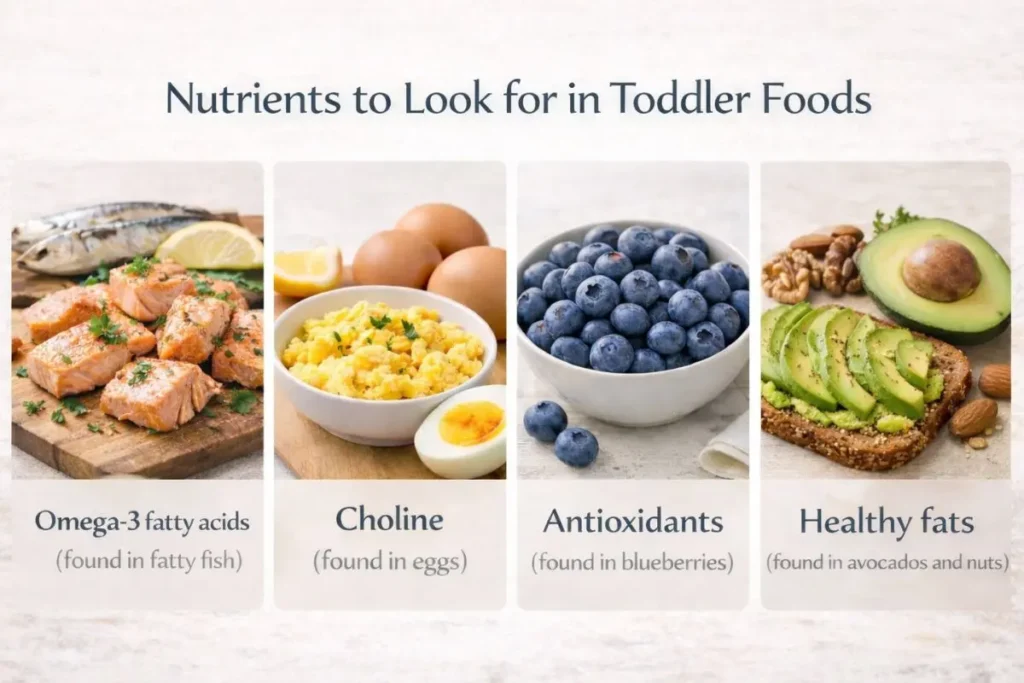
Nutrients to Look for in Toddler Foods
A balanced diet for brain health should include essential nutrients that help with cognitive development. Focus on foods rich in:
- Omega-3 fatty acids (found in fatty fish)
- Choline (found in eggs)
- Antioxidants (found in blueberries)
- Healthy fats (found in avocados and nuts)
Including a variety of these nutrients will help fuel your toddler’s brain and improve learning, memory, and emotional health.
Meal Planning Tips
To optimize brain growth, try including a variety of these nutrient-dense foods in your toddler’s meals. Here are a few practical tips:
- Pair fish with whole grains like quinoa or rice to support brain function and energy.
- Add leafy greens to smoothies or soups to sneak in essential vitamins and minerals.
- Serve a mixture of nuts and seeds as a healthy snack to promote brain health.
Balanced Diet
For optimal brain function, a balanced diet should include a mix of proteins, healthy fats, vitamins, and minerals. Focus on offering a combination of these brain-boosting foods to ensure your toddler gets the nutrients they need for healthy cognitive development.
Common Food Allergies
How to Avoid
Food allergies can interfere with your toddler’s brain development and overall health. Common allergens include dairy, eggs, and peanuts. Be mindful of any allergic reactions to foods and consult a pediatrician if you’re unsure whether a food is safe.
Safe Brain Foods for Toddlers
Thankfully, many of the best foods for brain development, like fish, avocado, and blueberries, are allergy-friendly. Always check with a pediatrician if you’re introducing a new food to your toddler’s diet.