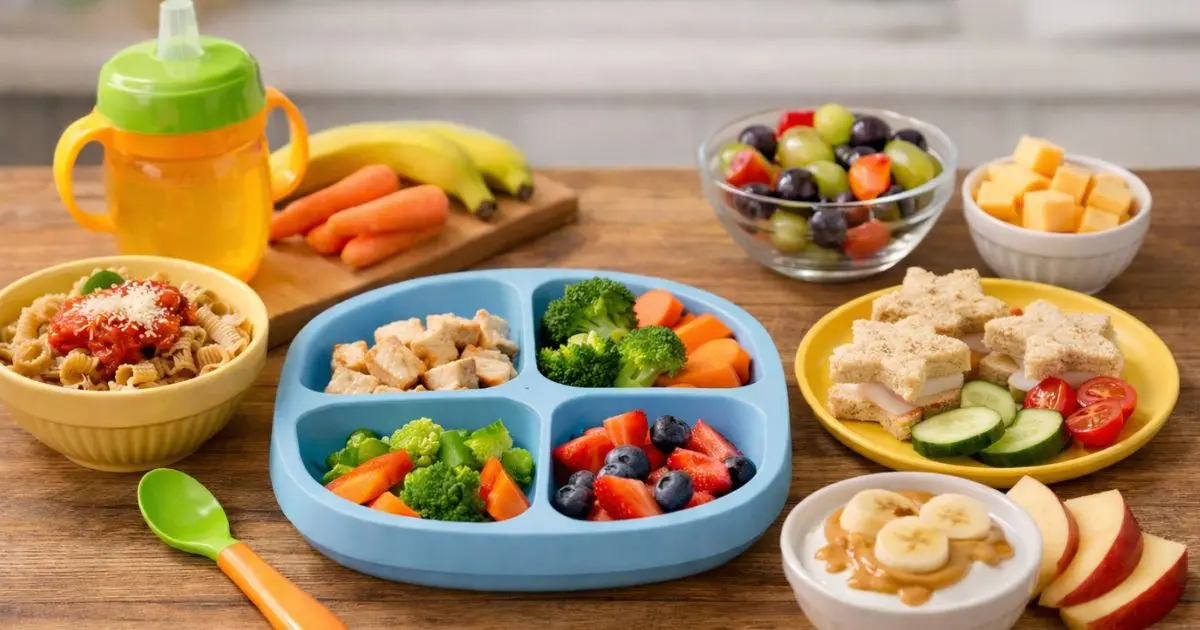
Setting up healthy eating habits early in life is crucial for toddlers. The foods they consume during these formative years support their growth, brain development, and overall well-being. This guide provides practical tips to ensure your toddler gets the essential nutrients while overcoming common challenges like picky eating.
Why Healthy Eating Matters for Toddlers
Proper nutrition is vital during the toddler years as their bodies and brains are developing rapidly. A well-balanced diet ensures optimal growth, strengthens their immune system, and helps them build important skills like motor development. Eating the right foods can even affect their emotional health and cognitive abilities, setting the foundation for lifelong well-being.
Key Nutrients for Your Toddler’s Diet
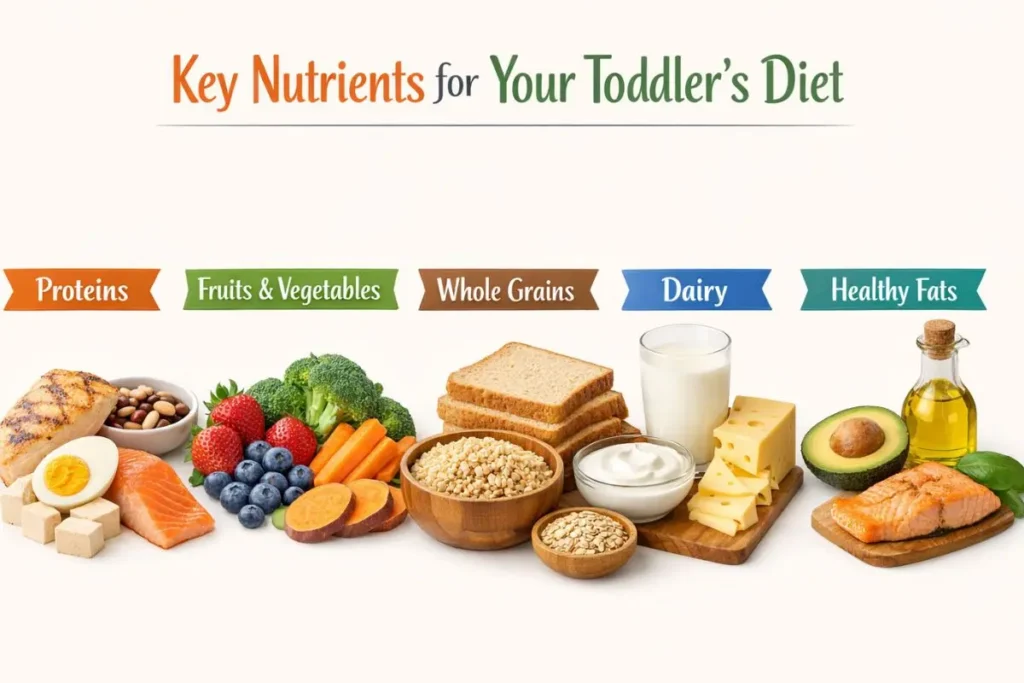
A well-balanced diet for toddlers includes a mix of essential nutrients:
- Proteins: Essential for muscle, tissue, and organ development. Foods like lean meats, poultry, fish, eggs, and beans are great protein sources.
- Fruits & Vegetables: Packed with vitamins, minerals, and fiber, they support immunity and digestive health. Aim to offer colorful variety such as berries, spinach, and sweet potatoes.
- Whole Grains: Provide sustained energy and fiber to keep your toddler active and support healthy digestion. Brown rice, whole wheat bread, and oats are excellent choices.
- Dairy: Vital for calcium and vitamin D to support bone and teeth growth. Include milk, yogurt, and cheese, or lactose-free alternatives if needed.
- Healthy Fats: Crucial for brain development, healthy fats also aid in absorbing vitamins. Good sources include avocados, olive oil, and fatty fish like salmon.
Easy Meal Ideas For Toddlers
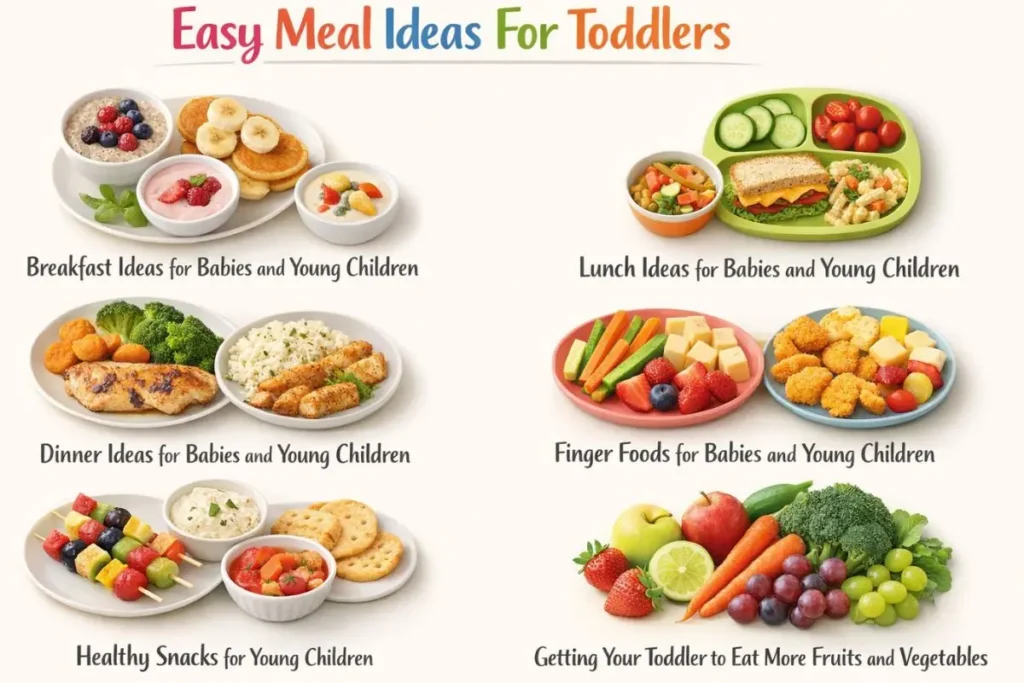
Breakfast Ideas for Babies and Young Children
- Porridge/Cereal: Serve with whole milk and mashed fruit.
- Whole Wheat Biscuit Cereal: Pair with milk and fruit.
- Stewed Apple & Yogurt: Combine with low-sugar cereal.
- Toast with Fruit & Peanut Butter: Use mashed banana and unsweetened peanut butter.
- Toast with Eggs & Veggies: Add hard-boiled eggs and sliced veggies or fruit.
- Scrambled Eggs on Toast: Serve with toast or muffin fingers and tomato.
Lunch Ideas for Babies and Young Children
Provide balanced meals with protein, healthy fats, and veggies in bite-sized portions:
- Lamb Curry with Rice: Mild lamb curry with soft rice.
- Cauliflower Cheese with Pasta: Nutrient-rich cauliflower cheese with pasta pieces.
- Baked Beans with Toast: Reduced-salt, sugar-free baked beans with toast.
- Scrambled Eggs with Veggies: Served with toast or pitta bread and veggie finger foods.
- Cottage Cheese Dip with Pitta and Veggies: Cottage cheese dip with pitta bread and cucumber or carrot sticks.
Dinner Ideas for Babies and Young Children
Satisfying, nutritious meals for your toddler’s evening:
- Mashed Sweet Potato with Chickpeas and Cauliflower: Creamy and easy-to-eat combination.
- Shepherd’s Pie: Minced beef or lamb with mashed potatoes and veggies.
- Rice and Mashed Peas: Simple rice and mashed peas with courgette sticks.
- Minced Chicken and Vegetable Casserole: Mild casserole with mashed potatoes.
- Mashed Salmon with Couscous and Peas: Packed with protein and omega-3s.
- Fish Poached in Milk with Vegetables: Fish with potatoes, broccoli, and carrots.
Finger Foods for Babies and Young Children
Encourage self-feeding with easy-to-grab finger foods:
- Soft-Cooked Vegetables: Broccoli, cauliflower, and sweet potato.
- Carrot and Cucumber Sticks: Great for little hands.
- Fresh Fruits: Apple slices, banana, and soft pears.
- Toast, Pitta, or Chapatti Fingers: Whole grain bread cut into small pieces.
- Rice or Corn Cakes: A light, crunchy snack.
- Strips of Meat: Boneless chicken or lamb.
- Cheese on Toast Fingers: With cheese and cucumber.
- Hard Boiled Eggs: Simple and protein-packed.
- Omelette Fingers: Easy-to-eat omelette strips.
Healthy Snacks for Young Children
Healthy snacks for children over 1 year:
- Veggie Sticks: Carrot, cucumber, or broccoli sticks.
- Fruit Slices: Apple, banana, or ripe pear.
- Plain Yogurt: Unsweetened yogurt for calcium.
- Rice or Corn Cakes: Unsalted and unsweetened.
- Cheese: Small cheese strips for protein.
Getting Your Toddler to Eat More Fruits and Vegetables
- Keep Trying: It may take up to 10 tries for a toddler to accept a new food.
- Offer Variety: Mix vegetables into mashed potatoes or rice.
- Snack on Veggies: Serve with hummus or peanut butter.
- Make It Fun: Use cookie cutters or make smoothies with greens.
- Sweeten the Deal: Add fruits like prunes to yogurt or stews.
Mistakes to Avoid in Toddler Feeding
Parents often make a few common mistakes in their toddler’s diet. Here’s how to avoid them:
- Processed Snacks: Limit sugary snacks like cookies, chips, and sugary cereals. These provide little nutritional value and can harm your toddler’s health in the long run. Opt for healthier snacks like fresh fruit or whole-grain crackers.
- Excess Juice: Juice can be packed with sugar and lacks fiber, which is essential for your toddler’s digestive health. Limit juice to no more than 4 ounces a day and avoid sugary fruit drinks.
- Forcing Food: Pressuring your toddler to eat can lead to negative associations with mealtimes. Allow your toddler to eat at their own pace and choose what they’re comfortable with.
- Using Food as Rewards: Offering sugary treats like candy or cookies as a reward can lead to emotional eating habits. Instead, try rewarding good behavior with extra playtime or a fun activity.
Tips for Building Healthy Eating Habits
Establishing healthy eating habits doesn’t happen overnight. Here are some simple yet effective strategies to nurture positive eating behaviors:
- Be a Role Model: Kids often mimic what they see. If you eat healthy foods, your toddler is more likely to do the same. Enjoy your meals together and show that eating well is fun!
- Offer Variety: Introduce new foods regularly, even if they reject them at first. Research shows it may take up to 10 tries before a toddler will accept a new food.
- Make Meals Fun: Get creative by serving food in fun shapes or vibrant colors. Let your toddler help with simple tasks like stirring or arranging food. This involvement makes eating more enjoyable.
- Stick to Routine: Toddlers thrive on consistency. Set regular meal and snack times to help regulate hunger and promote healthy eating habits.
- Limit Distractions: Keep mealtime a family-focused activity by turning off the TV and putting away devices. This helps your toddler learn to focus on food and recognize when they’re full.
Handling Picky Eaters
Picky eating is common in toddlers, but with patience and creativity, it can be overcome. Here are some strategies to try:
- Get Creative: If your toddler refuses vegetables, incorporate them into smoothies, soups, or sauces. You can even use cookie cutters to shape veggies into fun designs.
- Offer Choices: Let your toddler have some control over their food. Instead of saying “Eat this,” ask if they’d prefer peas or carrots. This gives them a sense of autonomy, making them more likely to eat.
- Stay Calm: If your toddler refuses food, don’t make a big deal out of it. Gently offer an alternative, and avoid pressuring them. The less attention given to their refusal, the less likely they are to use it to get attention.