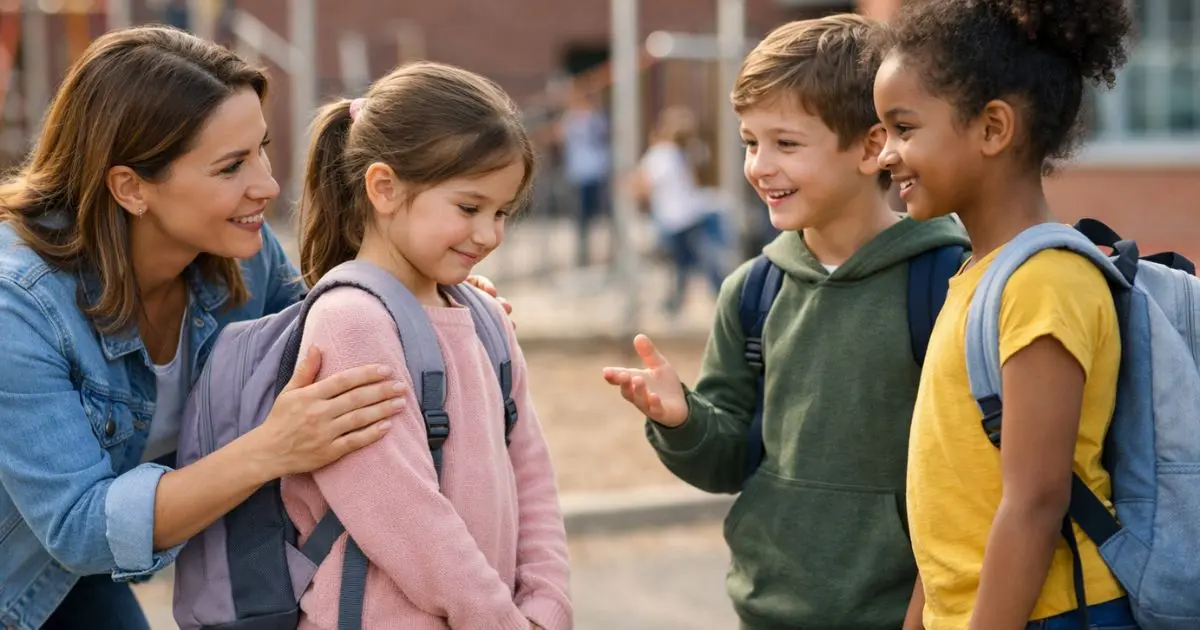
Helping your child overcome shyness and become more social is a journey that requires patience, understanding, and consistent support. Shyness is a common trait in children, but with the right tools and encouragement, it doesn’t have to hold them back from forming meaningful connections. Many children struggle with social situations, feeling anxious or self-conscious when interacting with others. However, as a parent, you can play a key role in helping them develop confidence, improve their social skills, and feel more comfortable in various social environments.
In this guide, we will explore proven strategies to help your child overcome shyness and embrace social interactions. From creating a supportive environment at home to encouraging gradual exposure to social settings, these practical tips will equip both you and your child with the tools needed for success. Together, you can help your child build stronger connections, boost their self-esteem, and ultimately thrive in social situations. Let’s dive into the steps you can take to help your child grow out of their shyness and develop a more outgoing, confident personality.
Understanding Why Some Children Are Shy
What Causes ?
Shyness is a natural part of some children’s personalities, but it can also stem from various factors. Understanding the cause can help in finding the best approach to overcoming it. Here are some common causes:
- Genetics and Temperament: Some children are naturally more introverted and sensitive to new experiences. This can make social interactions feel overwhelming or uncomfortable.
- Negative Experiences: A child who has experienced bullying, rejection, or a lack of positive social experiences may develop a fear of social situations.
- Parenting Styles: Overprotective or overly cautious parenting may prevent children from practicing social skills. A lack of exposure to social settings can make children more fearful of new situations.
- Environmental Factors: A change in environment, such as moving to a new city or starting a new school, can make a child feel isolated or unsure about interacting with others.
Signs Your Child May Be Struggling with Shyness
As a parent, you’ll want to be able to identify the signs of shyness in your child. These signs can vary from child to child, but common indicators include:
- Physical Signs: Averted eye contact, avoiding group activities, clinging to a parent, or showing signs of nervousness such as fidgeting.
- Behavioral Signs: Resisting playdates or group activities, avoiding interactions with strangers or new people, and a preference for solitary activities.
- Emotional Signs: Fear of being judged or rejected, low self-esteem, reluctance to speak in front of others, or anxiety when faced with new social situations.
Recognizing these signs early on allows you to take proactive steps to help your child overcome shyness and gain confidence.
How Shyness Affects Your Child’s Development
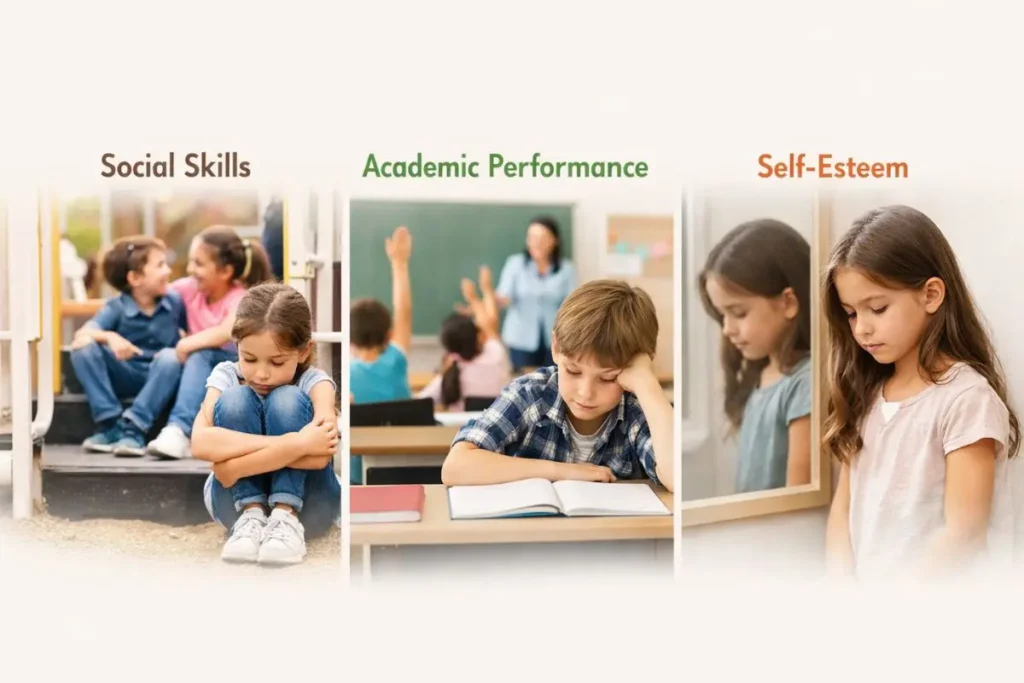
Shyness can have a significant impact on a child’s emotional, social, and academic development if left unchecked. It can affect their:
- Social Skills: Shy children often struggle to make friends and participate in group activities. This can lead to feelings of isolation or loneliness.
- Academic Performance: Children who are shy may have difficulty participating in class discussions, asking questions, or forming study groups. This can hinder their learning experience.
- Self-Esteem: Persistent shyness can lower a child’s self-worth and confidence, leading them to avoid new challenges or social situations.
Understanding how shyness affects your child can motivate you to take action and support them in overcoming these challenges early on.
Practical Tips for Helping Your Child Overcome Shyness
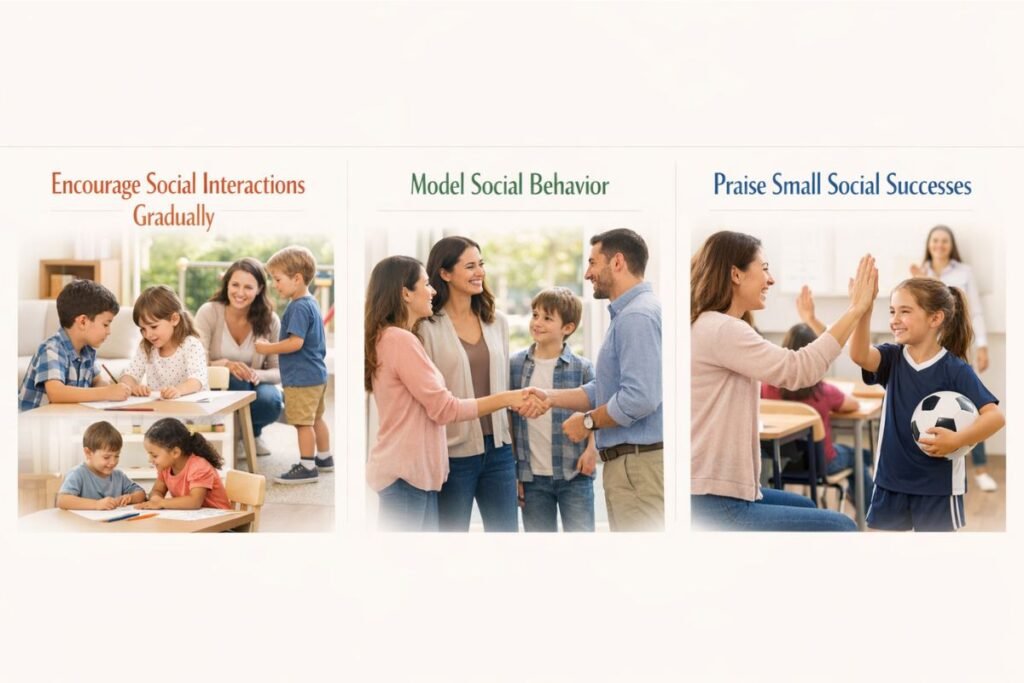
Encourage Social Interactions Gradually
Introducing your child to social situations gradually is one of the most effective ways to ease their shyness. This allows them to adjust to socializing without feeling overwhelmed. Here’s how you can do it:
- Start small: Begin with comfortable, familiar settings. For instance, ask them to spend time with close family members or a child they already know well. This builds trust and comfort.
- Set up low-pressure playdates: Arrange casual playdates with just one or two children. Keep the activity simple, such as playing games, drawing, or watching a movie together. This helps your child focus on fun instead of the pressure of social interaction.
- Introduce structured activities: Sports, dance classes, or group games like board games or team activities are excellent for shy children. These environments have a natural flow, so your child doesn’t need to think about what to say or do. This reduces anxiety and promotes participation.
Remember, don’t rush your child into large groups or social situations they aren’t ready for. Allow them to take small steps at their own pace. Over time, they’ll build confidence in social settings.
Model Social Behavior
Children learn by observing adults, so modeling good social behavior is an incredibly effective way to help your child become more social. Here are some tips:
- Be friendly and open: Greet people, engage in conversations, and practice making small talk with strangers or acquaintances. When your child sees you interacting easily with others, they’ll start to feel more comfortable doing the same.
- Demonstrate empathy and kindness: Show kindness and understanding to others in your interactions. When your child sees you express compassion, they’ll learn to do the same, making them more approachable and confident in social settings.
- Be confident: Show that you are confident in social situations. Whether it’s speaking to a neighbor or attending a social event, your behavior will teach your child that socializing is a positive and rewarding experience.
Children mirror their parents’ behavior, so leading by example is one of the best ways to teach social skills.
Praise Small Social Successes
Every step your child takes toward overcoming shyness should be celebrated and acknowledged. Positive reinforcement helps build their confidence and motivates them to continue trying. Here’s how you can encourage their social growth:
- Acknowledge their efforts: Whether your child says “hi” to a new friend or speaks up in a group setting, praise them for making the effort. Even small victories deserve recognition.
- Celebrate progress: Celebrate milestones, like your child joining a team or participating in a group discussion. This shows them that trying new things is worth the effort.
- Give specific praise: Rather than generic praise like “Good job,” say something specific like, “I’m proud of how you spoke up during that game” or “It was great how you introduced yourself to your classmate.”
The more you celebrate small successes, the more motivated your child will be to continue practicing social behaviors.

Create Opportunities for Positive Socialization
Expose your child to a variety of social settings so they can practice their social skills. Consistent exposure to positive socialization will help them feel more comfortable in different environments. Here are a few ideas:
- Enroll in group activities: Sign your child up for group-based activities like sports, art classes, music lessons, or summer camps. These structured settings allow your child to interact with peers while focusing on the activity at hand.
- Join social clubs or teams: Encourage your child to participate in a hobby or sport that involves teamwork, such as soccer, dance, or chess clubs. This not only improves their social skills but also helps them bond over shared interests.
- Host social events: Invite other families over for a relaxed get-together, like a barbecue, movie night, or board game night. These informal settings allow children to interact in a pressure-free atmosphere.
By offering different social environments, your child will gain the experience needed to feel more comfortable with various social situations.
Help Your Child Build Self-Confidence
Confidence is a crucial factor in helping a shy child feel comfortable in social situations. When a child feels good about themselves, they’re more likely to engage in social interactions without fear. Here’s how you can help boost their self-esteem:
- Encourage their strengths: Help your child recognize and nurture their talents and interests. Whether it’s a love for art, sports, or reading, encouraging them to excel in areas they feel passionate about can improve their self-esteem and social confidence.
- Let them make decisions: Giving your child the opportunity to choose their social activities—whether it’s deciding who they want to invite over or which activity they want to join—empowers them to take charge and feel more confident in social settings.
- Offer consistent praise and encouragement: Regular praise and reassurance help your child feel secure and capable. Acknowledge their efforts not just in social settings, but also in daily activities like helping around the house or achieving personal goals.
By nurturing self-confidence, your child will be more willing to take risks and try new things, including socializing with others.
Teach Conflict Resolution and Coping Skills
Part of socialization involves dealing with conflict and disagreements. Teaching your child how to resolve conflicts and cope with negative feelings can help them feel more confident in social situations.
- Role-play conflict resolution: Practice different social scenarios with your child where they might face conflicts, such as disagreements with friends. Show them how to express feelings calmly and compromise.
- Teach coping strategies: Help your child manage feelings of anxiety or frustration by teaching them techniques like deep breathing, positive self-talk, and problem-solving skills.
By teaching these important life skills, you’ll equip your child to handle social situations with more confidence.
Expose Your Child to Positive Peer Role Models
Children often look up to older peers who demonstrate good social behavior. Surround your child with positive role models who can demonstrate excellent social skills. Here’s how:
- Encourage mentoring: Connect your child with a mentor or older child who exhibits confidence and kindness in social situations. This could be a family member, a school buddy, or a community member.
- Join social groups with diverse children: Socializing with kids who come from different backgrounds and have varying social skills can help your child learn from others and become more comfortable.
By observing how others interact confidently, your child can learn the do’s and don’ts of social behavior in a practical way.
Common Mistakes
It’s easy to make mistakes while trying to help a shy child, but being aware of these pitfalls can make a big difference:
- Pushing too hard: Pressuring your child to engage in social situations too quickly can make them more resistant.
- Overprotecting: Shielding your child from all uncomfortable social interactions can prevent them from building the skills they need.
- Labeling your child: Referring to your child as “shy” can reinforce their belief that they can’t change. It’s better to focus on the behaviors rather than labeling their personality.
When Should You Seek Professional Help?
Identifying When Shyness Becomes Social Anxiety
If your child’s shyness begins to interfere with their daily life, it might be time to seek professional help. Here are signs that shyness has become social anxiety:
- Excessive fear: Your child may refuse to leave the house or participate in school activities because they’re too afraid.
- Physical symptoms: Sweating, nausea, or panic attacks when faced with social situations.
- Difficulty making friends: Your child might avoid new experiences or struggle to connect with others.
Therapy Options
If professional help is needed, several therapeutic options can help your child overcome shyness, including:
- Cognitive Behavioral Therapy (CBT): This type of therapy helps children identify and challenge negative thoughts that contribute to their social anxiety.
- Group therapy: A safe, supportive space where children can practice socializing with peers while receiving guidance from a therapist.
- Behavioral therapy: This therapy focuses on rewarding positive social behaviors and gradually exposing your child to new social experiences.
How to Boost Your Child’s Social Skills in School
School is an important environment for your child to practice socializing. Help your child overcome shyness in the classroom by:
- Encouraging participation: Urge your child to answer questions, ask for help, or join class discussions. Praise them for each small step.
- Fostering friendships: Support your child in making friends by arranging playdates or activities outside of school.
- Teacher support: Talk to your child’s teacher to ensure they’re getting the right support in developing social skills.