
Helping your child develop healthy habits early on is one of the most important things you can do as a parent. Establishing good habits such as healthy eating, regular exercise, and maintaining emotional well-being at a young age sets the foundation for a healthier life in the future. Early childhood is a crucial time for children to develop behaviors that can impact their physical, mental, and emotional health.
As a parent, it is important to introduce nutritious foods, create a positive attitude toward physical activity, and encourage open communication about feelings. By incorporating these habits into your child’s daily routine and being a consistent role model, you can ensure that they grow up with a strong sense of well-being. Building these habits early will not only improve their health but also their self-esteem, helping them lead a more balanced and active life as they grow older
Understanding the Core Challenges of Parenting Healthy Habits
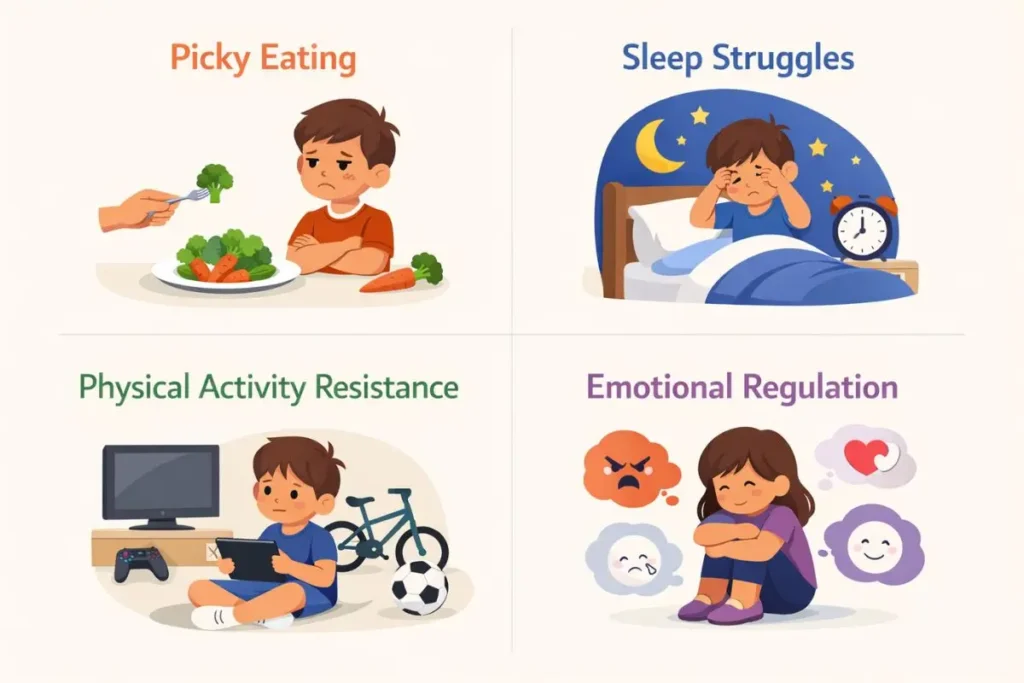
Parenting presents a variety of challenges, especially when it comes to helping children adopt healthy habits. Here are the key hurdles that many parents face:
- Picky Eating: This can be one of the most frustrating issues for parents, as children are often reluctant to try new foods, especially vegetables or unfamiliar textures.
- Sleep Struggles: Whether it’s trouble falling asleep, waking up during the night, or resisting bedtime, sleep-related issues are common in children of all ages.
- Physical Activity Resistance: In a world dominated by screens, it’s harder than ever to get kids moving and staying active. Many children spend too much time indoors, leading to sedentary lifestyles.
- Emotional Regulation: Helping children learn to manage and express their emotions in a healthy way is a critical skill that many children struggle to develop, especially as they grow older.
These challenges are common, but with the right approach, they can be addressed and turned into opportunities for teaching children valuable life skills.
Why Healthy Habits Matter from an Early Age
Establishing healthy habits early in life is crucial for several reasons:
- Long-Term Health: Healthy eating, regular physical activity, and good sleep habits lay the foundation for a lifetime of better health, including a reduced risk of obesity, diabetes, heart disease, and mental health issues.
- Cognitive Development: Proper nutrition, adequate sleep, and physical activity directly impact brain development, focus, memory, and learning outcomes.
- Emotional Well-Being: Healthy habits such as emotional regulation, physical exercise, and balanced nutrition help children build resilience and cope with stress more effectively.
Research consistently shows that habits formed in early childhood can significantly influence a person’s lifelong habits and health outcomes. For example, children who develop regular exercise habits are more likely to stay active as adults, which can improve their cardiovascular health, mood, and overall quality of life.
Age-Specific Tips for Developing Healthy Habits
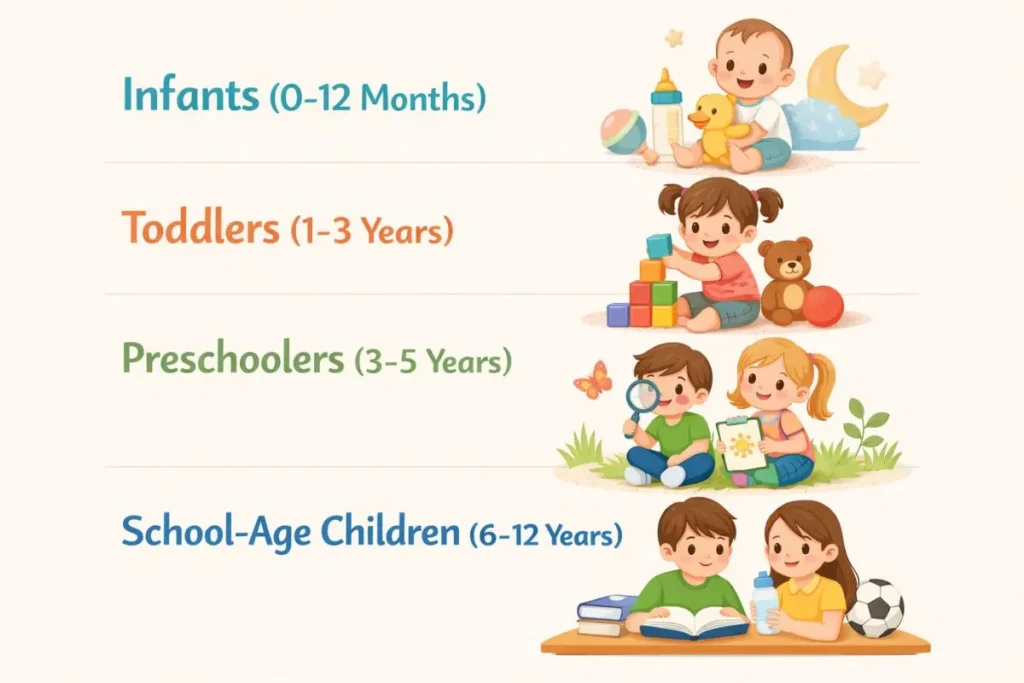
Infants (0-12 Months)
The first year of life is a time of immense physical and emotional development. During this period, infants are primarily focused on survival and bonding. Establishing healthy habits now is essential for their future growth and well-being.
Key Healthy Habits for Infants:
- Nutrition:
- Breastfeeding is the gold standard for infants, providing optimal nutrition and strengthening their immune system. The American Academy of Pediatrics (AAP) recommends exclusive breastfeeding for the first 6 months. Breast milk contains antibodies and vital nutrients that promote brain development, growth, and health.
- If breastfeeding isn’t possible, formula feeding is a suitable alternative that provides necessary nutrients for the baby’s growth.
- Sleep:
- Infants require 14-17 hours of sleep in a 24-hour period. Establishing a consistent bedtime routine early on helps babies recognize when it’s time to sleep and promotes better sleep quality.
- Create a calming bedtime routine, such as singing a lullaby or gently rocking your baby before bed. This helps them self-soothe and fall asleep independently.
- Avoid overstimulation before bedtime and keep the environment calm with dim lights and soothing sounds.
- Tummy Time:
- Start tummy time early, just a few minutes each day, to help your baby develop strong neck, shoulder, and back muscles. Tummy time is critical for motor skill development and helps prevent flat spots on the baby’s head.
- Gradually increase tummy time as your baby gets stronger.
- Emotional Bonding:
- Infants develop emotional security through physical touch. Hold, talk, and sing to your baby. This not only strengthens your bond but also stimulates brain development.
- Regular bonding moments provide the foundation for healthy emotional growth.
Pro Tip: If your baby struggles with sleep, try establishing a “sleep cue” like playing a soft lullaby or using a specific scent. Over time, they will associate the cue with sleep, making bedtime smoother.
Toddlers (1-3 Years)
Toddlers are full of energy and curiosity, and this is a critical time to begin teaching them healthy habits in food, physical activity, and emotional regulation.
Key Healthy Habits for Toddlers:
- Nutrition:
- At this stage, it’s important to introduce a variety of healthy foods. Toddlers should be eating 3 meals a day plus 2-3 snacks. Limit sugary snacks and drinks to avoid setting a preference for sweets.
- Sleep:
- Toddlers need around 12-14 hours of sleep each day, including a nap. Consistency is crucial, so try to maintain a regular sleep and nap schedule.
- Physical Activity:
- Encourage active play by providing opportunities for running, climbing, and jumping. This could include playing outside or participating in toddler-friendly activities like swimming or dancing.
- Emotional Development:
- This is when toddlers begin to express their emotions more clearly. Encourage them to use words to express feelings like anger, frustration, and happiness.
Pro Tip: Turn mealtime into a family affair. Eating together allows toddlers to see healthy eating habits in action. If they’re reluctant to eat certain foods, try modeling the behavior and offering positive reinforcement.
Preschoolers (3-5 Years)
Preschoolers are starting to develop more complex emotional and social skills. They are more independent but still look to parents for guidance.
Key Healthy Habits for Preschoolers:
- Healthy Eating:
- Continue offering a variety of foods. It’s normal for preschoolers to have strong preferences, but offering a new food several times can encourage them to try it. Offer meals at consistent times and allow your child to help prepare them.
- Sleep:
- Preschoolers need 10-12 hours of sleep each night. A consistent bedtime routine with calming activities like reading can help ease the transition to sleep.
- Physical Activity:
- Physical activity should be fun at this age. Consider playing games like tag, hopscotch, or hide-and-seek, which involve running and jumping.
- Hygiene:
- Teach the importance of basic hygiene like hand-washing, brushing teeth, and using tissues. These are good habits that will stick with them long-term.
Pro Tip: Offer a “calm-down corner” with soft pillows, books, or toys for when your child feels overwhelmed. This helps them regulate emotions in a safe space.
School-Age Children (6-12 Years)
School-age children are becoming more independent, but they still need parental support when it comes to building and maintaining healthy habits.
Key Healthy Habits for School-Age Children:
- Nutrition:
- Encourage a balanced diet rich in fruits, vegetables, whole grains, and protein. Help your child plan and pack lunches with healthy choices. Keep snacks on hand, such as fruits, nuts, or yogurt, to avoid unhealthy temptations.
- Sleep:
- School-age children need 9-11 hours of sleep each night. Maintaining a consistent bedtime and limiting screen time in the hour before bed will help them sleep better.
- Physical Activity:
- Encourage your child to participate in after-school sports or activities like swimming, cycling, or running. Set aside time each day for physical activity, whether it’s a walk, a bike ride, or just playing outside.
- Self-Care and Hygiene:
- Children this age should be encouraged to take responsibility for their own hygiene, including brushing teeth, taking showers, and washing hands.
Pro Tip: Help your child organize their day by setting up a family calendar that includes time for homework, chores, and outdoor play. This helps them balance their responsibilities and prioritize their health.