
Bonding with your baby is one of the most significant and rewarding experiences for new parents. The early moments of baby bonding can shape your infant’s emotional and physical development, providing a strong foundation for a lifetime of healthy relationships. Touch and communication are central to this process, as they help establish trust, security, and connection between you and your newborn. Through simple, affectionate actions like gentle caresses, skin-to-skin contact, and tender words, you begin to foster an emotional bond that will support your baby’s growth.
Baby touch plays a critical role in stimulating the release of hormones that promote emotional stability, while early communication nurtures your baby’s cognitive and social development. By incorporating these practices into your daily routine, you can strengthen the bond with your child and create a nurturing environment for their well-being.
Why Bonding With Your Baby is Important
Bonding with your baby is more than just a nice thing to do – it’s fundamental for your child’s emotional and psychological development. This early connection can influence your baby’s behavior, emotional stability, and how they relate to the world as they grow.
Benefits of bonding with your baby:
- Emotional security: Babies need to feel safe to explore the world around them. Bonding ensures that your baby feels cared for and supported.
- Brain development: Early bonding helps stimulate brain growth, laying the foundation for learning and memory.
- Positive attachment: Strong bonding results in a secure attachment, meaning your baby will feel comfortable and trust you to meet their needs.
According to child development experts, babies who are securely attached are more likely to be confident and curious as they grow.
The Role of Father’s Involvement in Bonding
Father’s involvement in bonding is just as crucial as the mother’s. While mothers often have an instinctual role in bonding due to pregnancy, fathers can play an active and important role in developing a strong, secure connection with their baby.
Benefits of father-baby bonding:
- Strengthens emotional bonds: Fathers can use touch, talking, and eye contact to create a lasting bond.
- Promotes involvement: Early bonding helps fathers feel more connected and involved in their baby’s life.
- Supports positive family dynamics: When both parents actively bond with the baby, it enhances overall family relationships.
Father’s touch and attention, like holding, rocking, and talking to the baby, create a secure, well-rounded attachment.
Simple Touch
Skin-to-skin contact is one of the most natural and effective ways to bond with your baby. This simple touch has lasting effects on both parent and baby, fostering a sense of closeness, security, and warmth.
Why skin-to-skin contact matters:
- Emotional regulation: Skin-to-skin contact helps regulate your baby’s heart rate, body temperature, and stress levels, allowing them to feel calm and secure.
- Promotes breastfeeding: For mothers, skin-to-skin contact boosts the production of oxytocin, which helps with milk production and encourages the baby to latch on for breastfeeding.
- Enhances attachment: It strengthens the emotional bond between parent and baby, setting the stage for a deeper connection.
How to practice skin-to-skin:
- Hold your baby directly against your bare chest, allowing them to hear your heartbeat.
- Do this often, especially in the first few months, as it can be calming for both of you.
Studies show that infants who receive regular skin-to-skin contact tend to have better overall health and a stronger immune system.
Gentle Strokes and Massages
Baby massages are another simple yet powerful way to bond with your baby. These gentle touches not only help your baby relax but also support their physical development, offering both relaxation and sensory stimulation.
Benefits of baby massages:
- Improves sleep quality: Massaging your baby before bed can help them relax and fall asleep faster.
- Reduces discomfort: Gentle strokes can ease symptoms of colic, gas, and muscle tension, which can be common in infants.
- Supports motor skills: It helps your baby develop coordination by gently moving their limbs and joints.
Steps to safely massage your baby:
- Use a mild, baby-safe oil or lotion to avoid skin irritation.
- Start with light strokes, focusing on their back, arms, legs, and tummy.
- Avoid areas like the head or spine for safety reasons.
Babies tend to love this intimate, soothing experience, and it’s a great way to build a comforting routine.
Non-Verbal Communication
Babies are constantly communicating, even though they cannot speak. Their non-verbal cues, such as body movements, sounds, and facial expressions, are their way of telling you what they need. Learning to recognize and respond to these cues creates a stronger bond and helps meet their needs effectively.
Key baby signals to look for:
- Crying: While it may seem obvious, crying is your baby’s primary way to communicate discomfort, hunger, or the need for affection.
- Cooing or gurgling: This is a sign of contentment and an invitation to interact.
- Smiling or making eye contact: These gestures show happiness and a desire to connect.
Pay attention to your baby’s body language. For example, a baby who looks away or seems fussy might need a break, while a baby who reaches for you is showing affection and trust.
Eye Contact
Making eye contact with your baby is an essential part of building trust and emotional connection. When you look into your baby’s eyes, they see reassurance and love, which in turn helps them feel more secure.
Why eye contact is important:
- Fosters attachment: Babies are drawn to their parents’ faces. Eye contact deepens the bond and helps your baby feel more connected to you.
- Builds emotional trust: Regular eye contact helps your baby understand that you are paying attention to them, which builds trust.
- Promotes social skills: It’s an early form of communication that lays the foundation for later social interactions.
Make it a point to maintain eye contact when you talk or play with your baby. This will encourage them to engage with you more and enhance the emotional connection.
Talking to Your Baby
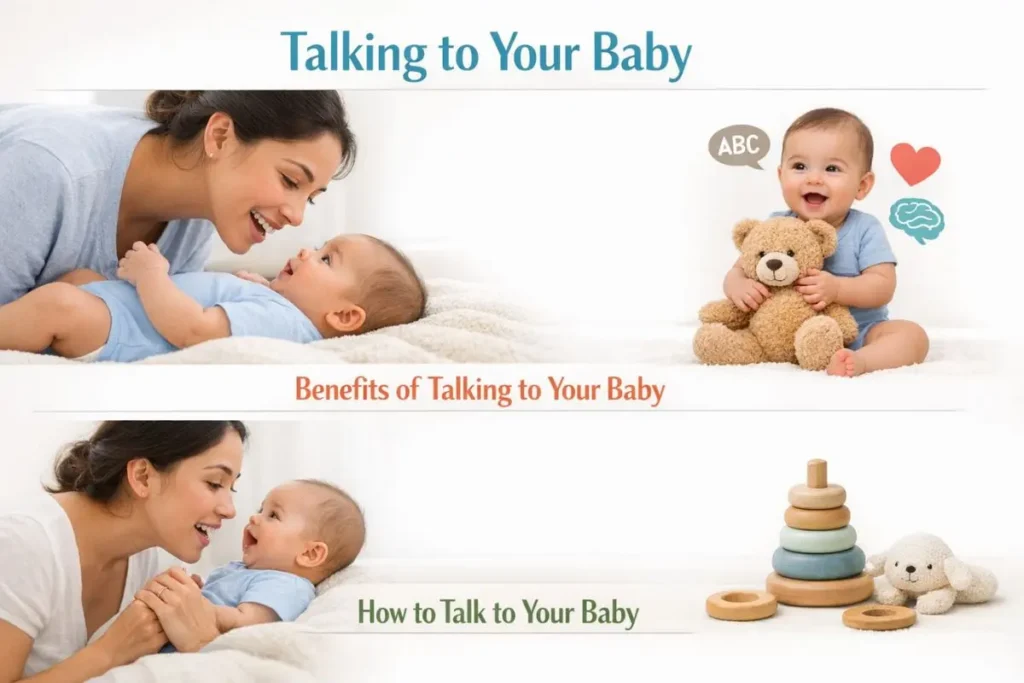
It may seem like your baby doesn’t understand you at first, but talking to your baby is one of the most effective ways to strengthen your bond and promote language development. Your baby is listening and learning from the rhythm and tone of your voice.
Benefits of talking to your baby:
- Encourages language skills: Even though your baby can’t speak, hearing your voice helps them learn the patterns and sounds of language.
- Promotes emotional connection: Talking to your baby helps them feel included and important.
- Stimulates brain development: Research shows that early verbal communication contributes to cognitive development and higher IQs later in life.
How to talk to your baby:
- Narrate what you are doing, like “I’m changing your diaper now” or “Let’s play with your toy.”
- Use a soft, calming voice to soothe your baby.
- Engage in “conversation” by pausing and allowing your baby to coo or make sounds in return.
Talking to your baby is as much about connection as it is about language development.
Singing and Music
Singing to your baby is more than just a sweet gesture – it’s an important tool for bonding and development. The sound of your voice, especially when combined with soothing melodies, creates a sense of safety and comfort.
Why music matters:
- Promotes brain development: Music stimulates multiple areas of the brain, supporting memory, emotional regulation, and motor skills.
- Calms and relaxes: Singing to your baby can have a soothing effect, reducing stress and promoting sleep.
- Strengthens your bond: Singing and music create moments of shared joy and connection.
Songs to try:
- “Twinkle, Twinkle, Little Star”
- “Rock-a-bye Baby”
- Your own unique lullaby!
Whether it’s a lullaby or your favorite tune, your baby will associate your voice with comfort and safety.
Building a Secure Attachment
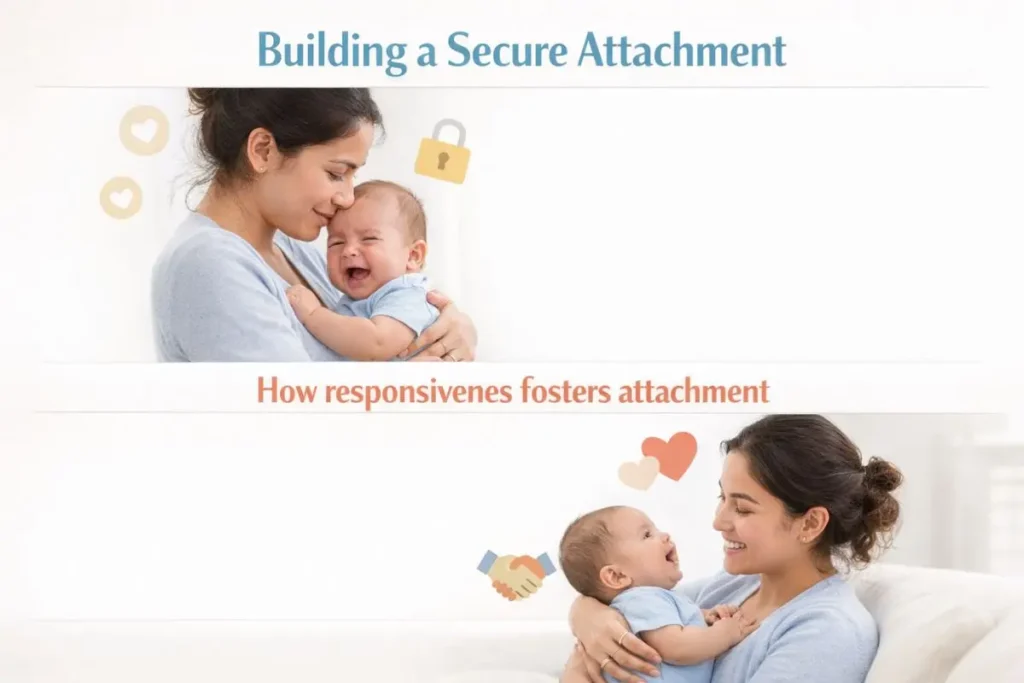
Responsive parenting plays a pivotal role in fostering secure attachment with your baby. When you respond to your baby’s cries and needs, they learn to trust that you will be there for them, creating a stable foundation for emotional development.
How responsiveness fosters attachment:
- Builds trust: Responding quickly to your baby’s needs lets them know you can be trusted.
- Promotes emotional security: When your baby feels secure, they are more likely to grow into a confident and emotionally stable child.
- Strengthens emotional bonds: Being attuned to your baby’s needs enhances the parent-child relationship.
Simple acts like picking your baby up when they cry or offering comfort can significantly impact their sense of security.
Bonding Activities

Bonding doesn’t always have to be serious. Fun activities can also strengthen the emotional connection between you and your baby.
Ideas for bonding activities:
- Tummy time: This activity promotes strength and coordination while allowing for bonding.
- Peek-a-boo: A fun game that encourages your baby to recognize faces and feel secure.
- Baby yoga: Gentle movements that promote relaxation and connection for both you and your baby.
How Bonding Impacts Baby’s Future Relationships
Bonding with your baby not only affects their emotional security now but also influences their ability to form healthy relationships in the future. Secure attachments laid in infancy serve as a foundation for social relationships as your child grows, affecting their friendships and interactions with peers.
How early bonding influences future relationships:
- Strong self-esteem: Babies who bond well with their caregivers tend to develop a strong sense of self-worth.
- Improved social skills: These children are better at forming and maintaining relationships as they grow.
- Emotional resilience: A baby who feels securely bonded is better able to handle stress and conflict later in life.
Overcoming Bonding Challenges
Not every parent finds bonding easy, especially if you’re sleep-deprived or feeling overwhelmed. It’s important to remember that bonding takes time, and it’s okay to ask for help when needed.
Tips for overcoming bonding challenges:
- Start small: Focus on one activity at a time, like talking or holding your baby.
- Reach out for support: Don’t hesitate to consult with pediatricians or join parenting support groups.
- Be patient: Bonding is a gradual process, and your baby will respond in their own time.